

You ate a normal lunch. Nothing crazy. A few hours later, your jeans feel two sizes too small, your stomach looks pregnant, and you’re wondering what causes bloating like this — and what you did wrong.
If this happens to you, you’re definitely not alone. Researchers found that nearly 1 in 5 adults around the world deals with bloating at least once a week. Women get it about twice as often as men. And most people who suffer from it never tell their doctor — they just unbutton their pants and hope it goes away.
The frustrating part? Most bloating advice on the internet is pretty shallow. “Drink more water. Eat more fiber. Avoid soda.” That’s fine, but it skips the weird, counterintuitive stuff that actually causes a lot of bloating in healthy people. Things like: too many vegetables. Too little salt. Tight jeans. Sitting too much. Drinking too much water.
Let’s go through what’s really going on — including the unobvious reasons most articles miss.
First, what is bloating actually?
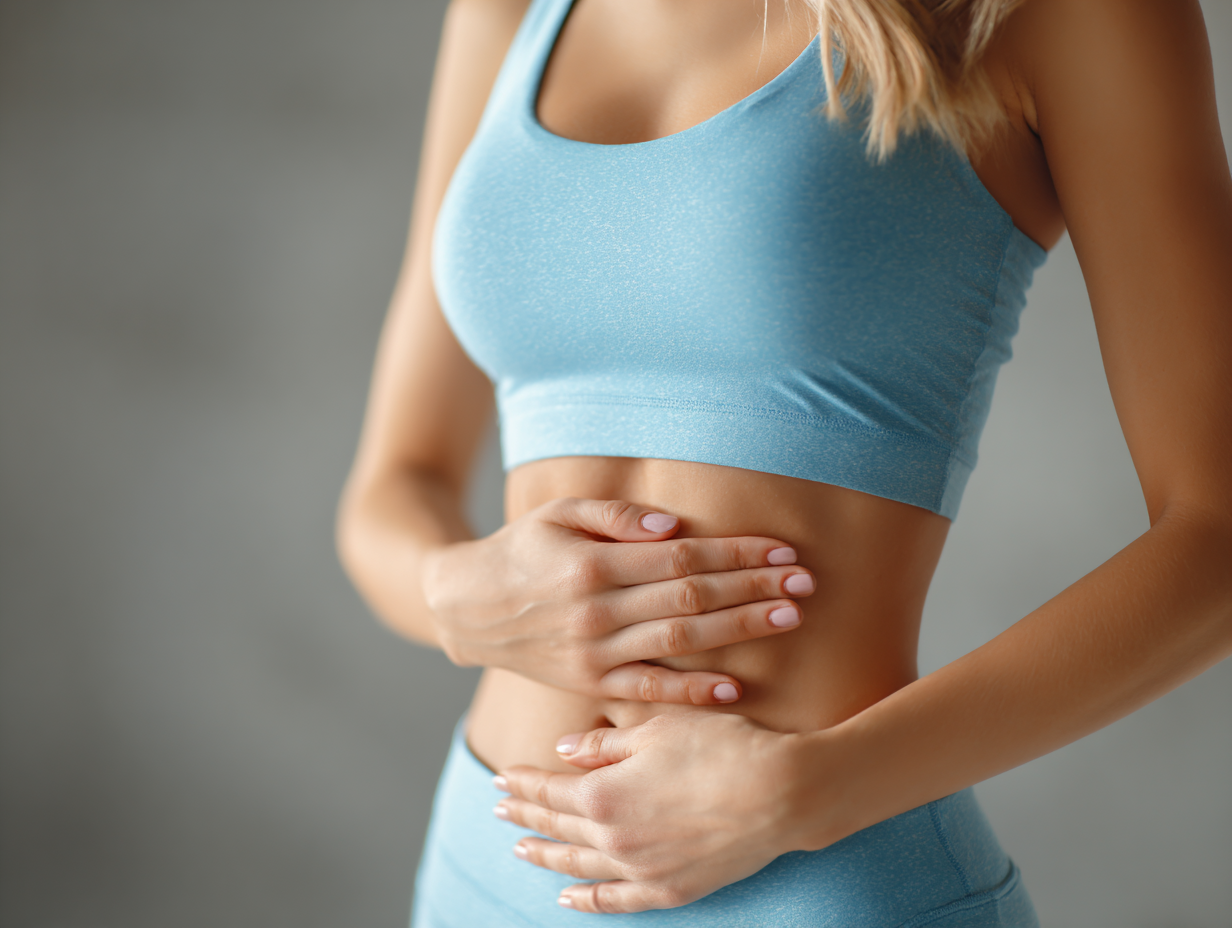
Before we get into what causes bloating, let’s clarify what it actually is. Bloating is the feeling of pressure, fullness, or tightness in your belly. It’s not fat. It’s not weight gain. It’s a temporary buildup of gas, fluid, or food in your digestive tract that makes your stomach feel — and sometimes look — distended.
Occasional bloating is completely normal and harmless. The problem is when it becomes frequent, painful, or starts messing with your day. That’s when it’s worth figuring out what’s causing it.
Here are the real culprits — starting with the obvious ones, then moving to the surprising ones nobody talks about.

1. You’re eating too fast
This is the most common cause of bloating, and almost nobody connects the two. When you eat fast, you swallow air with every bite. That air doesn’t disappear — it sits in your gut and creates pressure. The faster you eat, the more air you swallow, and the more bloated you feel within an hour.
The fix is simple but unsexy: slow down. Put your fork down between bites. Chew until your food is actually mush. Aim for at least 20 minutes per meal. We wrote a whole article about this called The Fork Rule — it’s mostly about weight loss, but the same habit also helps with bloating.
Other air-swallowing culprits to watch out for: chewing gum, drinking through straws, talking while eating, and sipping carbonated drinks. Cut these and see what happens over a week.
2. You’re eating too many vegetables (yes, really)
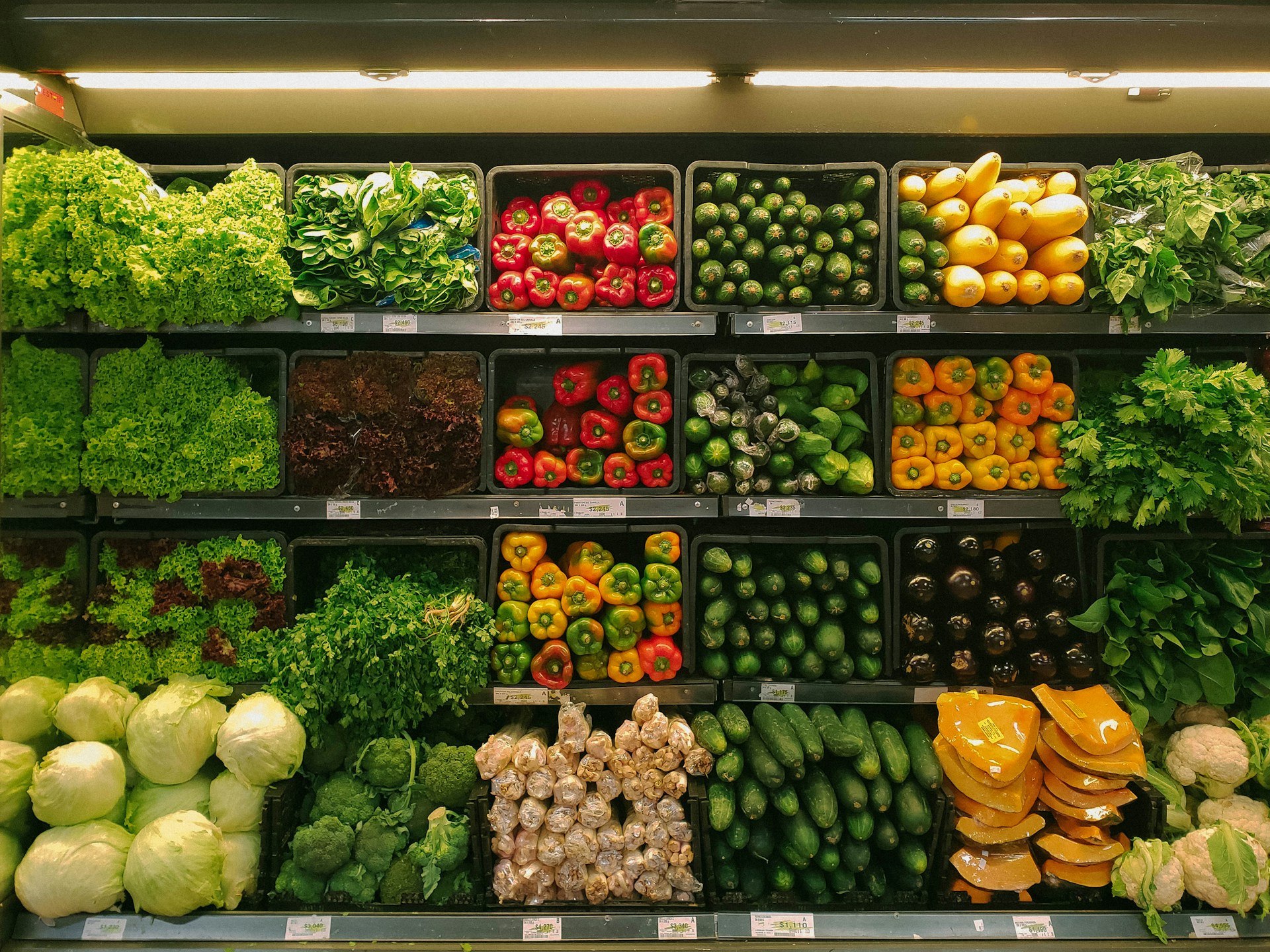
This one shocks people, but it’s true: too many vegetables can absolutely cause bloating. Especially if you’ve recently bumped up your intake.
Veggies like broccoli, cauliflower, Brussels sprouts, cabbage, and kale contain a sugar called raffinose that your body can’t break down on its own. It passes through your small intestine intact, and when it reaches your large intestine, your gut bacteria go to town on it. That fermentation produces gas. A lot of gas.
The same thing happens with beans, lentils, onions, garlic, apples, pears, and dried fruit. These are all “high-FODMAP” foods — basically, foods that ferment in your gut and make gas as a byproduct.
Here’s what nobody tells you: healthy doesn’t mean bloat-free. A salad with raw broccoli, kale, chickpeas, and apple slices is one of the most “healthy” meals you can eat — and one of the most bloating. If you went from eating mostly white bread and pasta to suddenly piling on vegetables, your gut bacteria are probably throwing a party. Give them a few weeks to adjust, increase fiber gradually, and try lightly cooking your vegetables instead of eating them raw. Cooking breaks down some of the fibers that cause the worst gas.

3. You’re drinking too little water — but it’s not what you think
Most articles tell you to drink eight glasses of water a day. Honestly, the right amount depends on your body, your activity level, the weather, and what you ate that day. Eight glasses might be too much for one person and too little for another.
Instead of obsessing over how many glasses you drink, look at the color of your pee. This is the most reliable, free, real-time hydration check you have:
- Pale yellow (like light lemonade): You’re well hydrated.
- Dark yellow or amber: You’re dehydrated. Drink more water.
- Almost clear: You’re probably overhydrated (more on that next).
Why does dehydration cause bloating? When you don’t drink enough water, your body holds on to whatever fluid it has — including in your gut. That slows digestion, leads to constipation, and creates pressure and bloating. It sounds backwards, but not drinking enough water actually makes you retain more of it.

4. You’re drinking too much water
This is the one most articles get completely wrong. Drinking too much water can also cause bloating. When you flood your system with more water than your kidneys can process, the extra fluid sits in your tissues and stomach. You feel sloshy, heavy, and yes — bloated.
Drinking too much water also dilutes the sodium in your blood, which can make your body hold onto water as a backup mechanism. Athletes have actually died from drinking too much water during marathons (a condition called hyponatremia). You’re not going to die from chugging 10 glasses at your desk, but you can definitely feel bloated and uncomfortable.
Again: the pee color test is your best friend. If your urine is consistently almost clear, you’re drinking more than you need.
5. You’re not eating enough salt
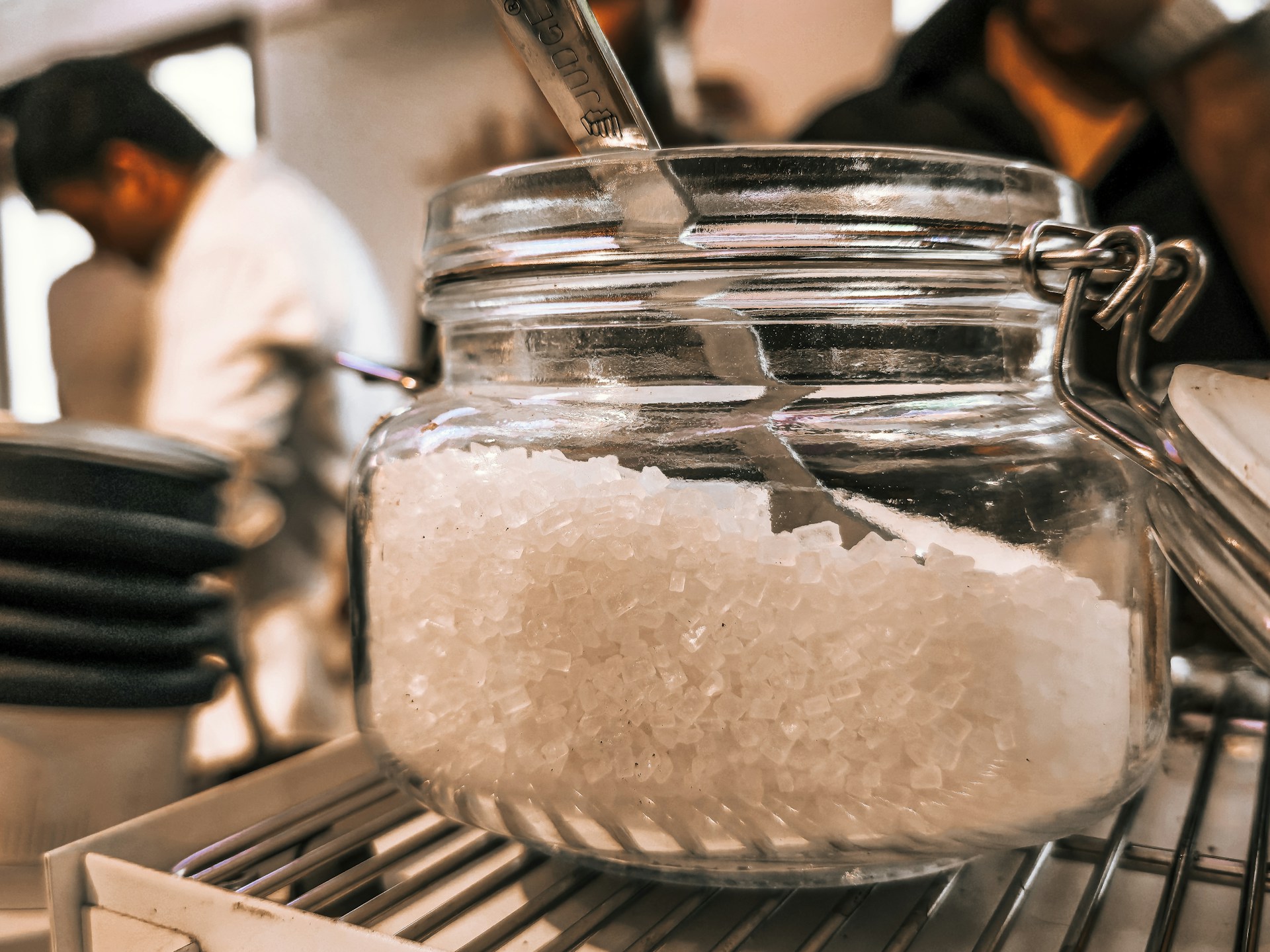
Yes, you read that right. We’ve all been told that too much salt causes bloating — and it does. Salt makes your body hold onto water, which causes puffiness in your face, hands, and stomach. That part is true.
But here’s what nobody mentions: too little salt can also cause bloating. If you eat a low-sodium diet, work out a lot, sweat heavily, or drink tons of water, you can drop your sodium levels enough that your body starts holding onto whatever fluid it can — leading to that exact same puffy, swollen feeling.
The sweet spot for most healthy adults is somewhere between 1,500 and 2,300 mg of sodium per day. Most people eat way too much (about 3,400 mg on average), but some health-conscious folks swing too far the other way and end up under 1,000 mg, which is too low.
If you eat mostly home-cooked whole foods, drink a lot of water, and exercise regularly — and you’re constantly bloated — try slightly upping your salt intake for a week. You might be surprised.
6. You’re not eating enough protein
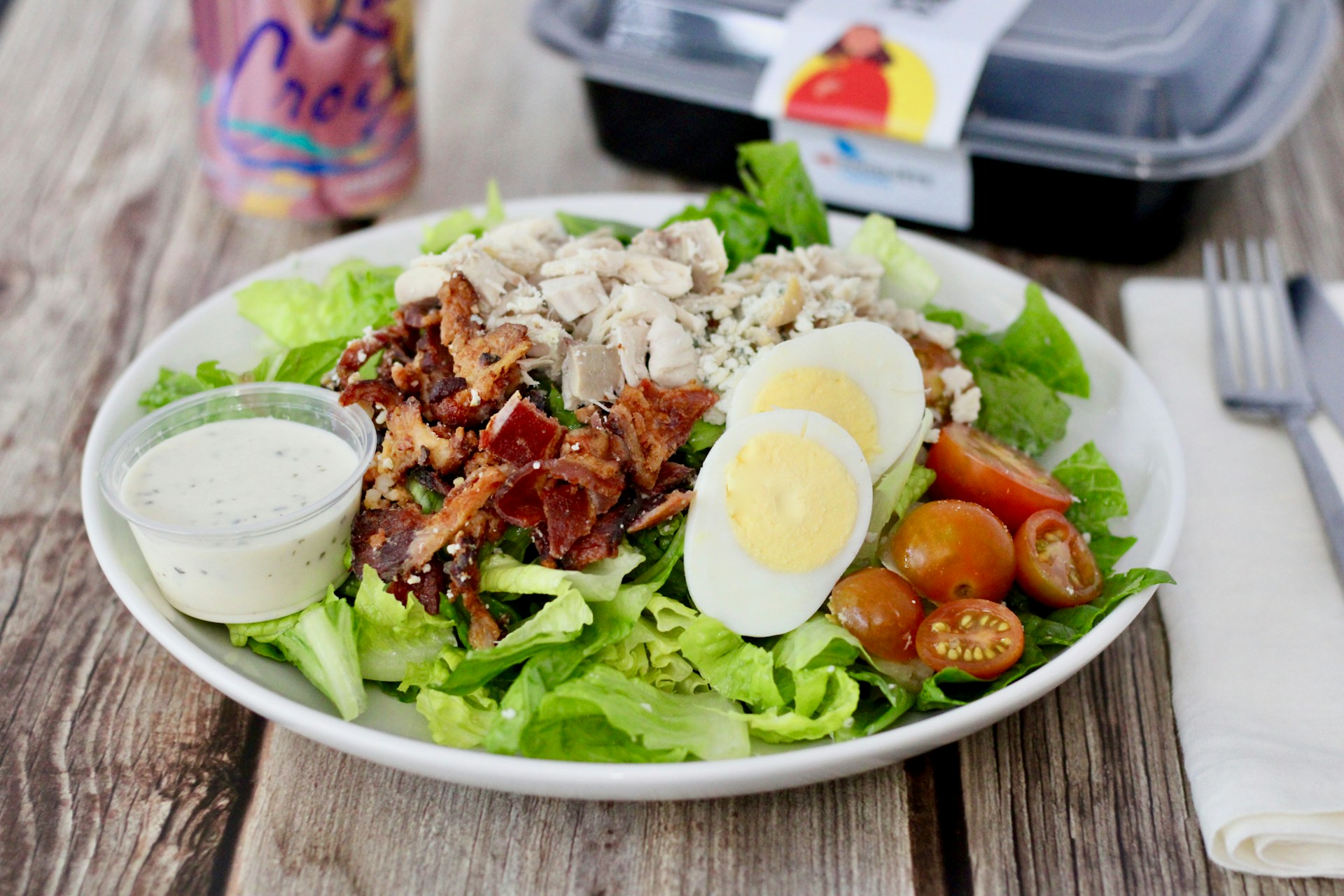
Not eating enough protein is one of the most overlooked causes of bloating, especially if you’re on a plant-heavy or low-calorie diet. Here’s how it works:
Protein helps your body manage fluid balance. There’s a protein in your blood called albumin that basically keeps fluid inside your blood vessels where it belongs. When you don’t eat enough protein, your albumin drops, and fluid leaks out of your blood vessels into the surrounding tissues. The result: swelling and puffiness, especially in your belly, ankles, and face.
This is most extreme in cases of severe protein deficiency (which is rare in developed countries), but milder versions show up in:
- People on extreme low-calorie diets
- Vegans and vegetarians who don’t carefully balance their protein intake
- People who eat lots of vegetables and grains but very little meat, fish, eggs, dairy, or beans
- Older adults whose appetite has dropped off
Most adults need at least 0.36 grams of protein per pound of body weight per day, and more (around 0.5–0.7 grams per pound) if you’re active, trying to lose weight, or building muscle. For a 150-pound person, that’s roughly 55 to 100 grams of protein per day. If you’re constantly bloated and only eating 30–40 grams a day, that might be your problem.

7. You’re sitting too much
Most people know that sitting all day is bad for weight, mood, and heart health. What they don’t know is that it directly causes bloating — and not just because it slows down digestion.
Your body has something called the lymphatic system. It’s a network of vessels that carries fluid and waste out of your tissues and back into your bloodstream. Here’s the thing: unlike your circulatory system (which has the heart pumping blood around), your lymphatic system has no pump. It relies entirely on muscle movement to push lymph fluid around your body. When you sit at a desk for 8 hours straight, your lymph slows to a crawl. Fluid pools in your tissues. Waste builds up. You feel puffy, heavy, and bloated.
The fix isn’t a green juice or a “lymphatic drainage” massage. It’s just movement. Walking is the most powerful thing you can do for your lymphatic system because it activates the muscles in your legs, belly, and arms all at once. Even 5 minutes of walking every hour makes a real difference.
Other lymph-friendly habits: deep breathing (your diaphragm pushes lymph through one of the largest lymph vessels in your body), stretching, and gentle bouncing or jumping.

8. Your jeans are too tight
This sounds like a joke. It’s not. Tight clothing is a real, documented cause of bloating, and it’s one of the easiest fixes on this list.
When your waistband or shapewear squeezes your abdomen, it physically restricts your stomach, intestines, and the diaphragm above them. That slows digestion, traps gas inside your gut, and can even push stomach acid back up into your esophagus (causing heartburn on top of bloating). Doctors actually have a term for this: “tight pants syndrome.” It’s been written about in medical journals since the 1990s.
If you regularly feel bloated after meals, try this experiment: wear loose-fitting clothes for one day. No shapewear, no skinny jeans, no tight belts. See if it makes a difference. For a lot of people, it does.

9. You’re stressed (and your gut knows it)
Your gut and your brain are connected by something called the gut-brain axis — a two-way communication system using nerves, hormones, and immune signals. When you’re stressed, your brain sends signals that slow down digestion, mess with gut motility, and even change how your gut bacteria behave.
The result is often bloating, gas, cramping, and irregular bathroom habits. This is why people with anxiety often deal with IBS, and why bloating tends to get worse during stressful weeks at work or before big life events.
Stress-related bloating can’t really be fixed with food alone. You need to address the stress itself — through sleep, exercise, time off your phone, social connection, or therapy if it’s chronic. Your gut won’t calm down until your brain does.
10. The usual food suspects
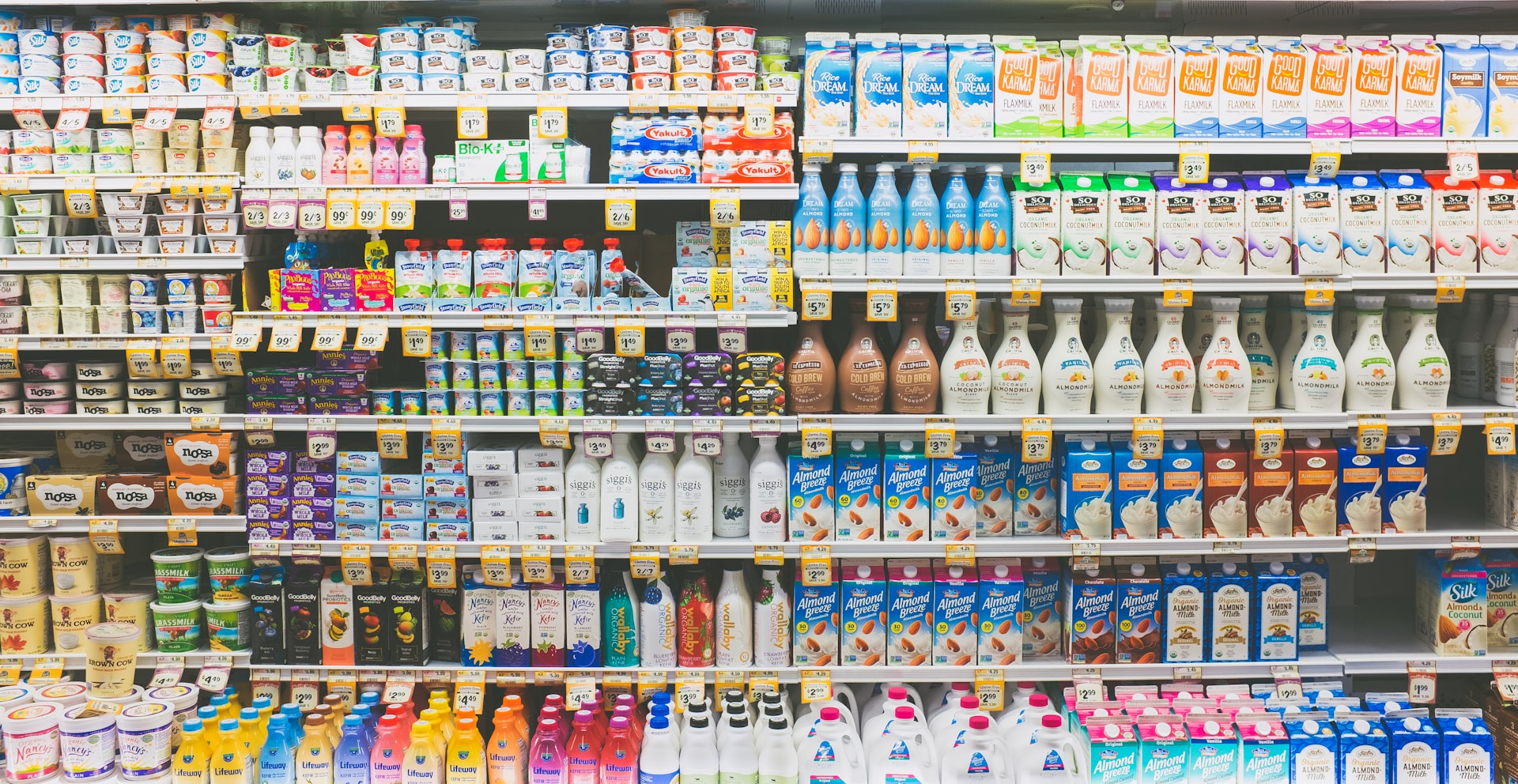
Even if you do everything else right, certain foods are notorious for causing bloating. Here are the worst offenders and why each one does it:
Beans and lentils. Contain raffinose and other complex sugars that your body can’t break down. They reach your large intestine intact, where bacteria ferment them and produce gas. Soaking beans overnight and rinsing them well before cooking helps a little.
Cruciferous vegetables (broccoli, cauliflower, Brussels sprouts, cabbage). Same raffinose issue, plus they’re high in fiber. Cooking helps break down the fibers that cause the worst gas.
Onions and garlic. High in fructans, a type of FODMAP that ferments aggressively in the gut. People with sensitive stomachs have a tough time with these.
Dairy products. About 65% of adults worldwide have some level of lactose intolerance. If you can’t fully digest the lactose in milk, cheese, or ice cream, it ferments in your gut and causes gas, cramping, and bloating.
Wheat and gluten products. Even people without celiac disease can be sensitive to the fructans in wheat, which cause fermentation and bloating. This often gets misdiagnosed as “gluten sensitivity” when it’s actually just a FODMAP issue.
Carbonated drinks. The bubbles in soda, sparkling water, and beer are literally CO2 gas. You’re drinking gas. It has to go somewhere.
Sugar alcohols (sorbitol, xylitol, mannitol, erythritol). Found in sugar-free gum, diet candy, protein bars, and “keto” desserts. Your gut can’t absorb them well, so they ferment and cause serious gas — sometimes within an hour.
Apples, pears, and stone fruits. High in sorbitol and fructose, both of which can cause bloating in sensitive people.
High-fat fried foods. Fat slows down digestion, which means food sits in your stomach longer, fermenting and creating gas.
Salty processed foods. These cause water retention bloating (which is different from gas bloating). Think chips, deli meats, frozen meals, and most restaurant food.

When bloating isn’t just bloating
Most bloating is harmless and goes away on its own. But sometimes it’s a sign of something that needs medical attention. Talk to a doctor if you have:
- Severe or constant bloating that doesn’t go away
- Bloating combined with weight loss, blood in your stool, or persistent belly pain
- Bloating that’s getting worse over time
- Bloating with a fever, vomiting, or jaundice
- A noticeable change in your bathroom habits lasting more than a few weeks
These can be signs of conditions like IBS, celiac disease, SIBO (bacterial overgrowth), gallbladder issues, or — in rare cases — something more serious. None of these are common, but none of them should be ignored if symptoms keep coming back.
The takeaway
Bloating is rarely caused by just one thing. It’s usually a combination of how fast you eat, what you eat, how much you move, how stressed you are, and how your body handles fluid and salt. The good news is that almost all of this is in your control.
Start with the easy stuff. Slow down when you eat. Walk more. Wear pants that fit. Pay attention to your pee color instead of counting glasses. Eat enough protein. Don’t go to extremes with salt in either direction. Cook your vegetables instead of eating mountains of raw broccoli. And if certain foods consistently cause problems, keep a quick food diary for a week and figure out your personal triggers.
Most bloating is fixable without supplements, “detox teas,” or a $300 wellness consultation. Your body is trying to tell you something. The trick is learning to listen.
Sources
- Ballou S, Singh P, Nee J, et al. Prevalence and Associated Factors of Bloating: Results From the Rome Foundation Global Epidemiology Study. Gastroenterology, 2023. pubmed.ncbi.nlm.nih.gov
- Oh JE, Chey WD, Spiegel B. Abdominal Bloating in the United States: Results of a Survey of 88,795 Americans Examining Prevalence and Healthcare Seeking. Clinical Gastroenterology and Hepatology, 2022. cghjournal.org
- Marasco G, et al. Functional Abdominal Bloating and Gut Microbiota: An Update. Microorganisms, 2024. pmc.ncbi.nlm.nih.gov
- Johns Hopkins Medicine. Bloating: Causes and Prevention Tips. hopkinsmedicine.org
- Mayo Clinic. Belching, gas and bloating: Tips for reducing them. mayoclinic.org
- Centers for Disease Control and Prevention. About Sodium and Health. cdc.gov
- NIH National Institute of Diabetes and Digestive and Kidney Diseases. Lactose Intolerance. niddk.nih.gov
- Harvard T.H. Chan School of Public Health. The Nutrition Source: Protein. nutritionsource.hsph.harvard.edu
- Seo AY, Kim N, Oh DH. Abdominal Bloating: Pathophysiology and Treatment. Journal of Neurogastroenterology and Motility, 2013. ncbi.nlm.nih.gov
- Jiang X, Locke GR, Choung RS, et al. Prevalence and risk factors for abdominal bloating and visible distention: a population-based study. Gut, 2008. gut.bmj.com
- National Library of Medicine. Tight Pants Syndrome — A Forgotten Cause of Abdominal Discomfort.
This article is for informational purposes only and isn’t a substitute for professional medical advice. If you have persistent or severe bloating, a history of digestive disorders, or any other health condition affecting your gut, please talk to a qualified healthcare provider before making big changes to your diet or lifestyle.