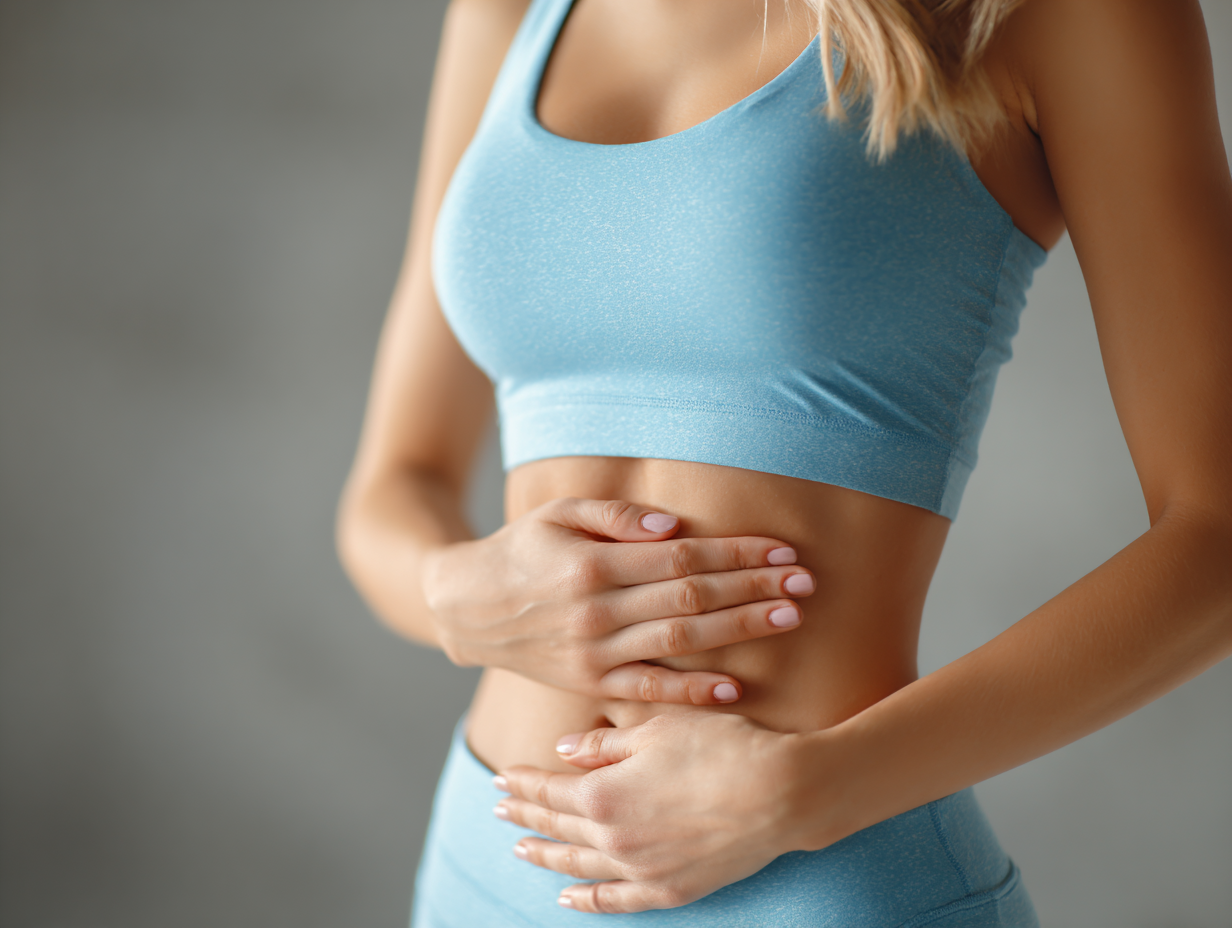

Your stomach feels like a balloon. Your jeans are cutting into your waist. You’re somewhere between uncomfortable and miserable, and you’d give anything to feel normal again in the next hour. If you’re wondering how to get rid of bloating fast, the good news is that there are real, science-backed things you can do right now.
Most bloating goes away on its own within a few hours. The better news: some of these methods are surprisingly effective, and others are so simple you’ll wonder why nobody told you sooner.
Just as importantly, there’s a lot of stuff that doesn’t work — and some that can actually make things worse. We’ll cover both.
(If you want to know what caused the bloating in the first place, we wrote a whole article on that: What Causes Bloating? 10 Reasons Most Articles Miss. This one is about what to do once you’re already there.)
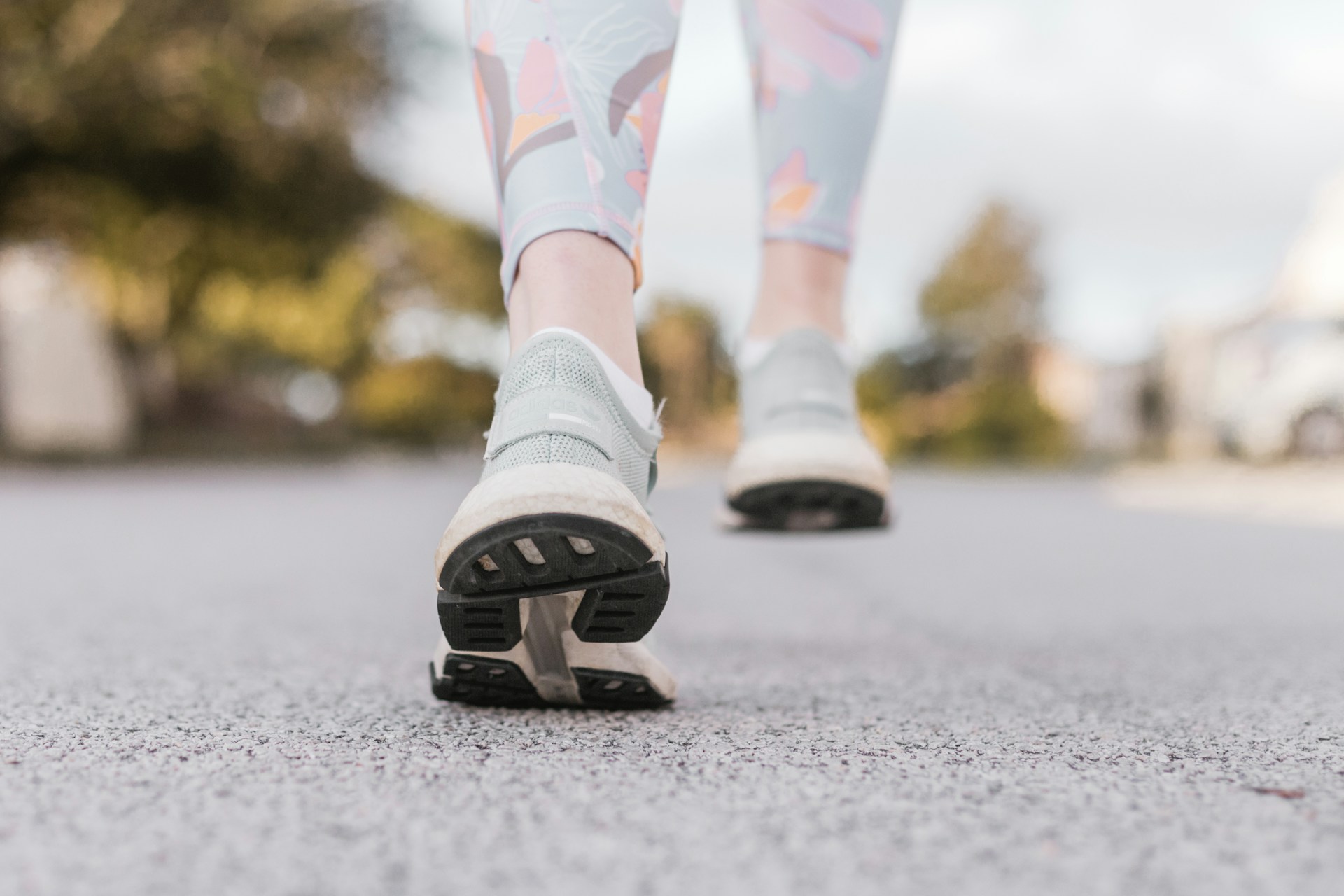
1. Walk it off (this is the #1 thing)
If you only do one thing on this list, do this. Walking after a meal is the single most effective way to reduce bloating in the moment — and that’s not just an old wives’ tale. UCLA Health put it bluntly: a 10-minute walk or 1,000 steps after eating “reduces gas and bloating better than medication.”
Why does it work? Walking activates the muscles in your belly, hips, and legs, which physically helps push gas through your digestive tract. It also stimulates peristalsis — the wave-like motion that moves food and waste through your gut. When you sit still after eating, gas just sits there. When you walk, it moves.
You don’t need to power-walk or break a sweat. A slow, casual stroll for 10 to 15 minutes is enough. Walk around your block. Walk laps in your living room. Walk around the office. Whatever you can do — just don’t sit on the couch and wait it out.
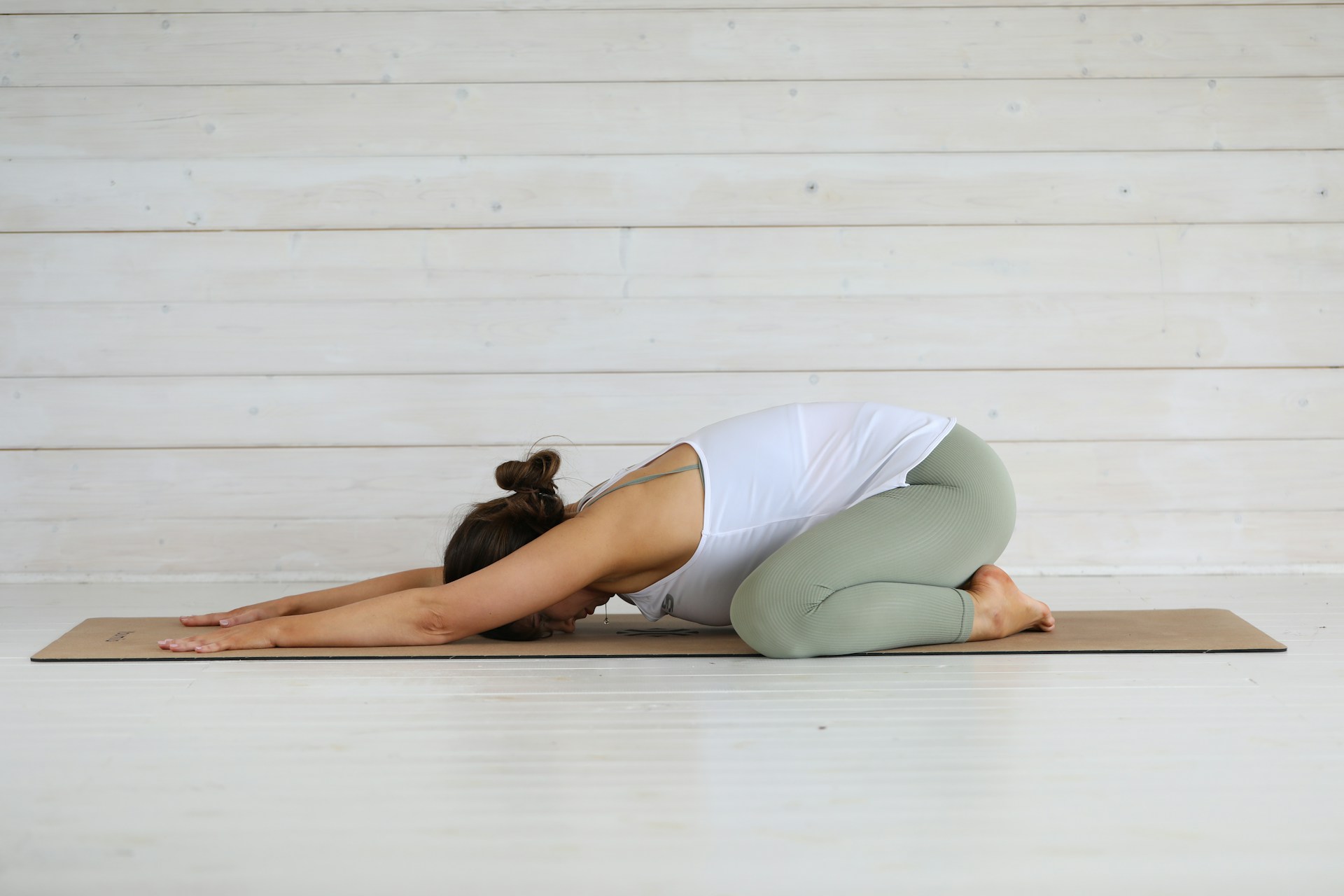
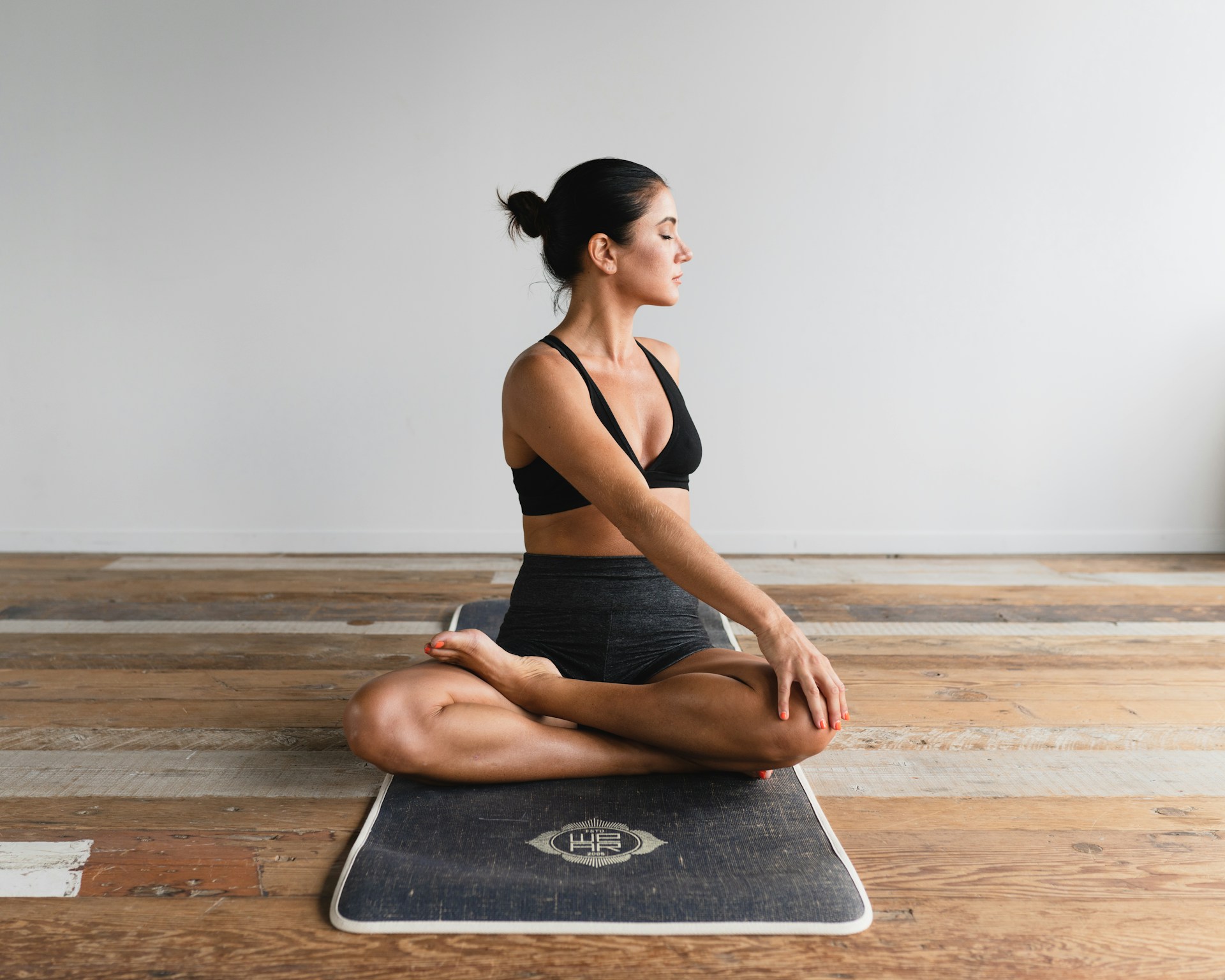
2. Try gentle yoga poses
Certain yoga poses are basically designed to physically squeeze gas out of your gut. They sound silly, but they really work. The two best ones for fast bloating relief:
Knees-to-chest pose (Apanasana, sometimes called “wind-relieving pose”). Lie on your back. Pull both knees up toward your chest and hold them with your hands. Gently rock side to side. Hold for 30–60 seconds. This puts direct pressure on your colon and helps move trapped gas.
Child’s Pose (Balasana). Kneel on the floor, sit back on your heels, fold forward, and rest your forehead on the floor with your arms stretched out in front. Take slow, deep breaths. The forward fold compresses your abdomen and helps release gas naturally.
Both are zero-effort, can be done in pajamas on your bedroom floor, and often work within minutes. No yoga experience needed.

3. Massage your belly
This sounds spa-ish but it’s actually a real technique used by gastroenterologists and physical therapists for relieving gas and constipation. Here’s how to do it:
Lie on your back. Using the flat part of your fingers, gently massage your belly in a clockwise direction (this matches the natural direction of your large intestine). Start at the right side near your hip, move up toward your ribs, across your belly under your ribs, and down the left side. Make slow circles for about 5 minutes.
This physically helps move trapped gas and stool through your colon. People with chronic constipation use this technique daily to keep things moving. For acute bloating, it can give surprisingly fast relief.
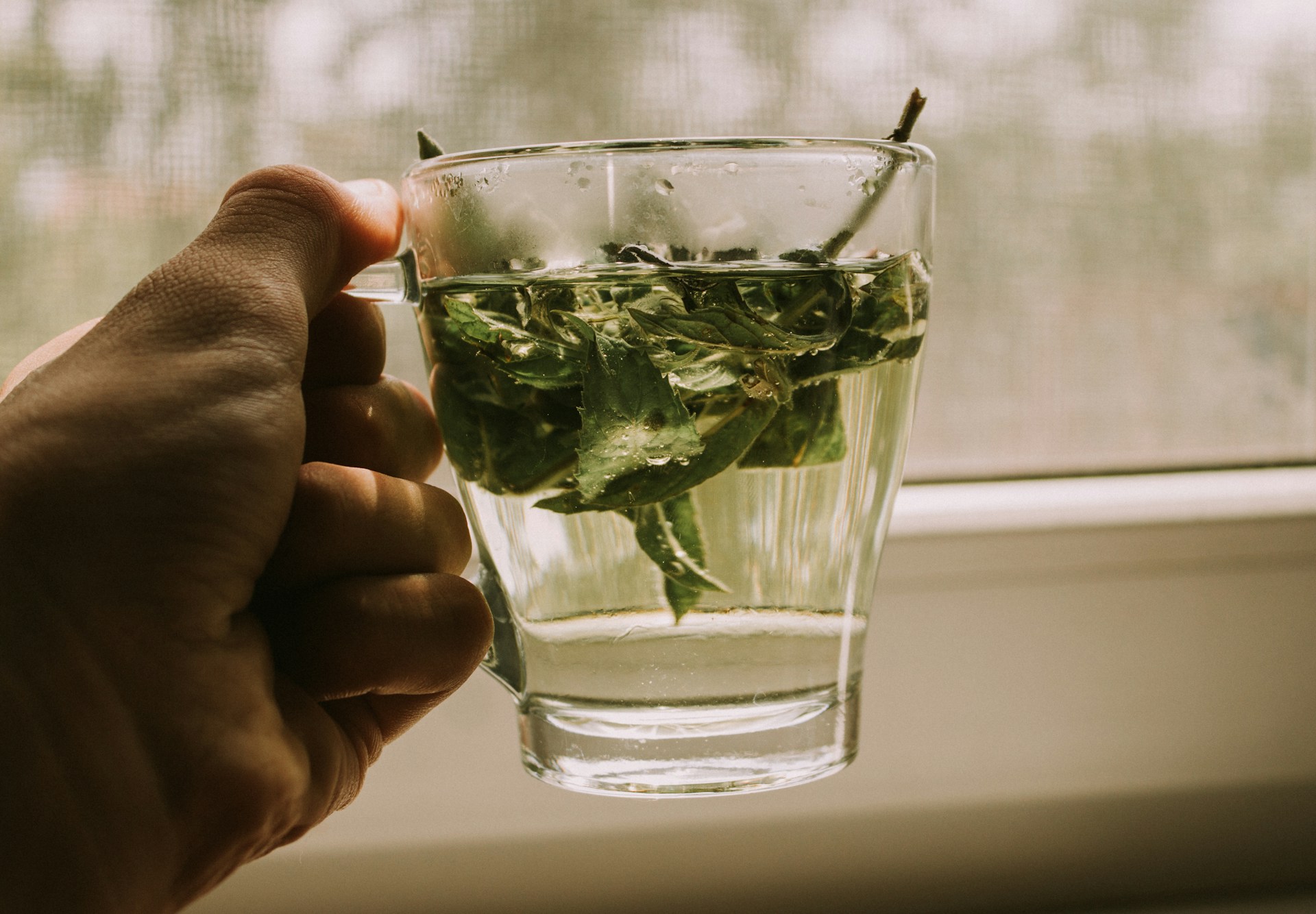
4. Drink peppermint tea (or take peppermint oil capsules)
Peppermint is one of the few “natural remedies” that actually has solid science behind it. It works by relaxing the smooth muscles of your digestive tract, which lets trapped gas pass through more easily. It’s been studied extensively for IBS, and it consistently outperforms placebo for bloating and gas.
You have two options:
- Peppermint tea. Steep a peppermint tea bag in hot water for 5–10 minutes and sip slowly. The warmth itself helps relax your gut, and the menthol does the rest.
- Enteric-coated peppermint oil capsules. These are stronger and more reliable than tea. The “enteric coating” means the capsule doesn’t dissolve until it reaches your small intestine, where it can do the most good. You can find them at most pharmacies for under $20.
One caveat: peppermint can make heartburn worse for some people because it relaxes the valve between your stomach and esophagus. If you tend to get reflux, try ginger or chamomile instead.
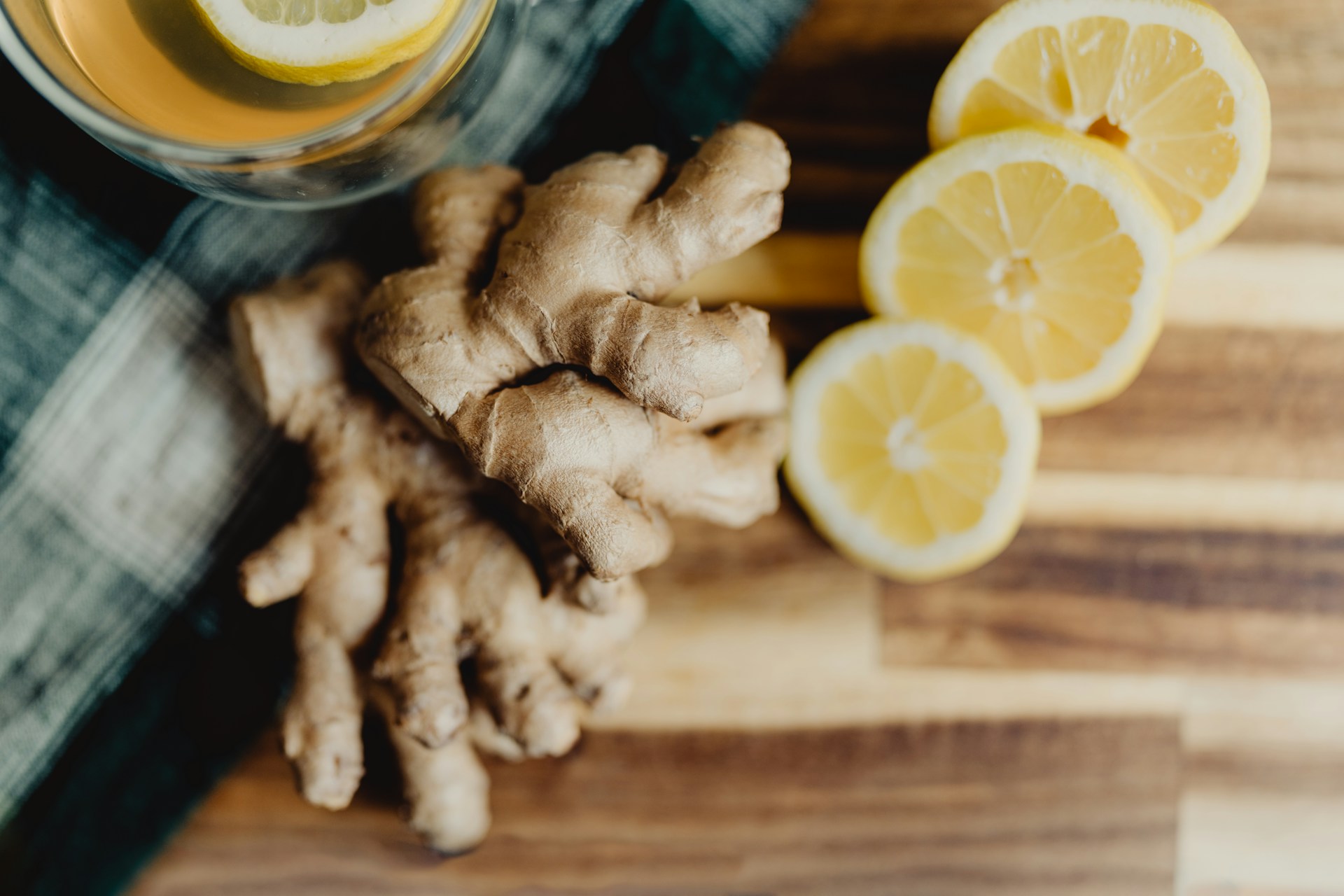
5. Try ginger
Ginger is the other natural remedy with real evidence behind it. Johns Hopkins specifically recommends it for reducing gas and bloating. It speeds up gastric emptying, which means food (and the gas it produces) moves through your stomach faster.
Easy ways to use it:
- Grate fresh ginger into hot water, let it steep, and drink it as tea
- Buy pre-made ginger tea bags
- Chew a small piece of crystallized ginger
- Take ginger capsules (250–500 mg)
Ginger is also one of the safest options on this list — it’s generally well tolerated even by people with sensitive stomachs.
6. Practice deep belly breathing
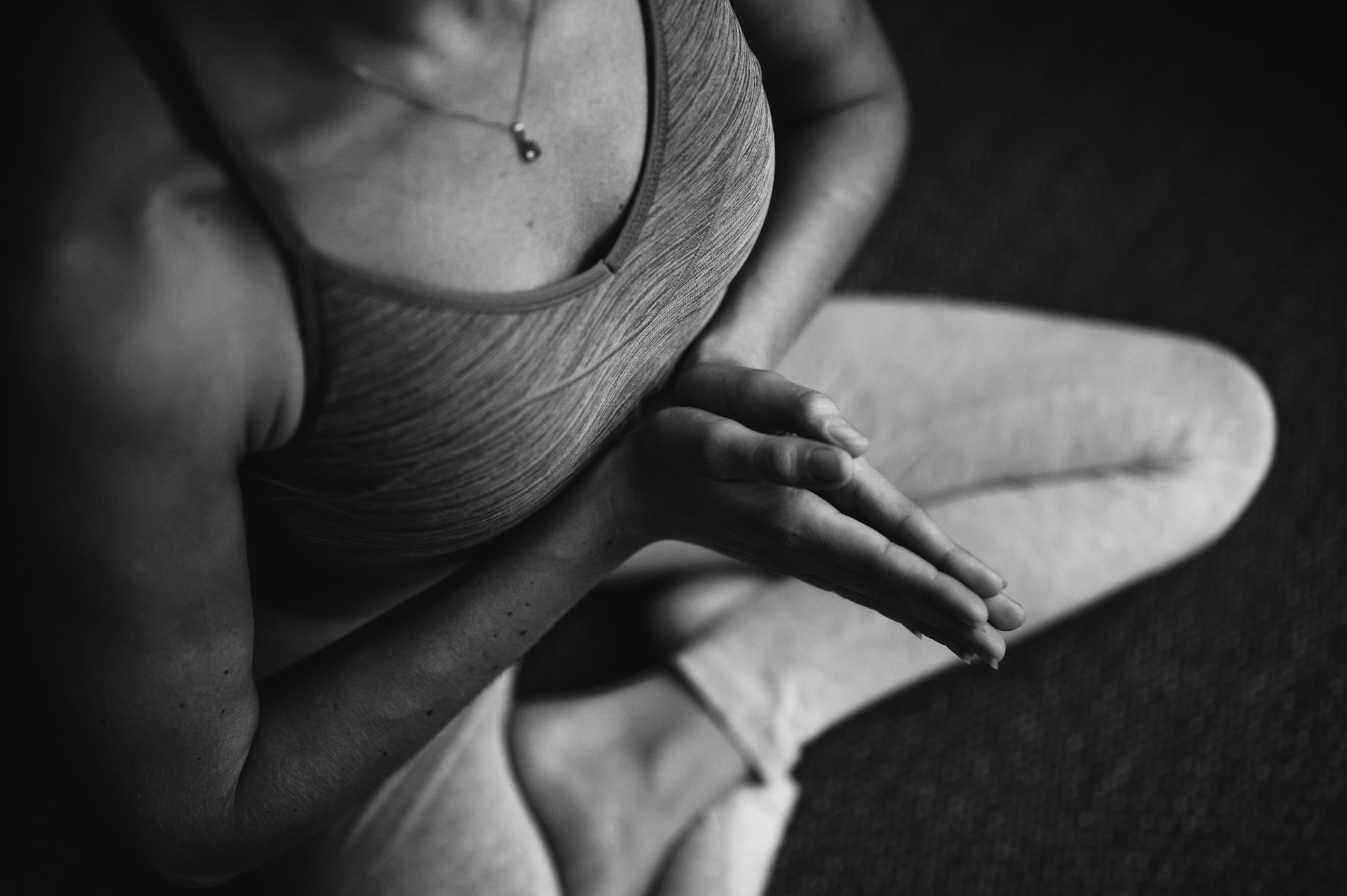
This one sounds too simple to work, but it does. When you’re bloated and uncomfortable, you naturally start breathing shallowly — short, tight breaths from your chest. That makes everything worse, because shallow breathing keeps your nervous system in a stressed state, which slows digestion even further.
Deep diaphragmatic breathing does two things at once: it physically massages your internal organs (your diaphragm pushes down on your stomach and intestines with each breath), and it activates your parasympathetic nervous system — the “rest and digest” mode that helps your gut do its job.
Try this: sit or lie down somewhere comfortable. Place one hand on your chest and one on your belly. Breathe in slowly through your nose for 4 seconds, letting your belly (not your chest) rise. Hold for 2 seconds. Breathe out slowly through your mouth for 6 seconds. Repeat for 5 minutes.
This is the same technique therapists teach for anxiety, and it works on bloating for the same reason — your gut and brain are connected.
7. Take off your tight clothes
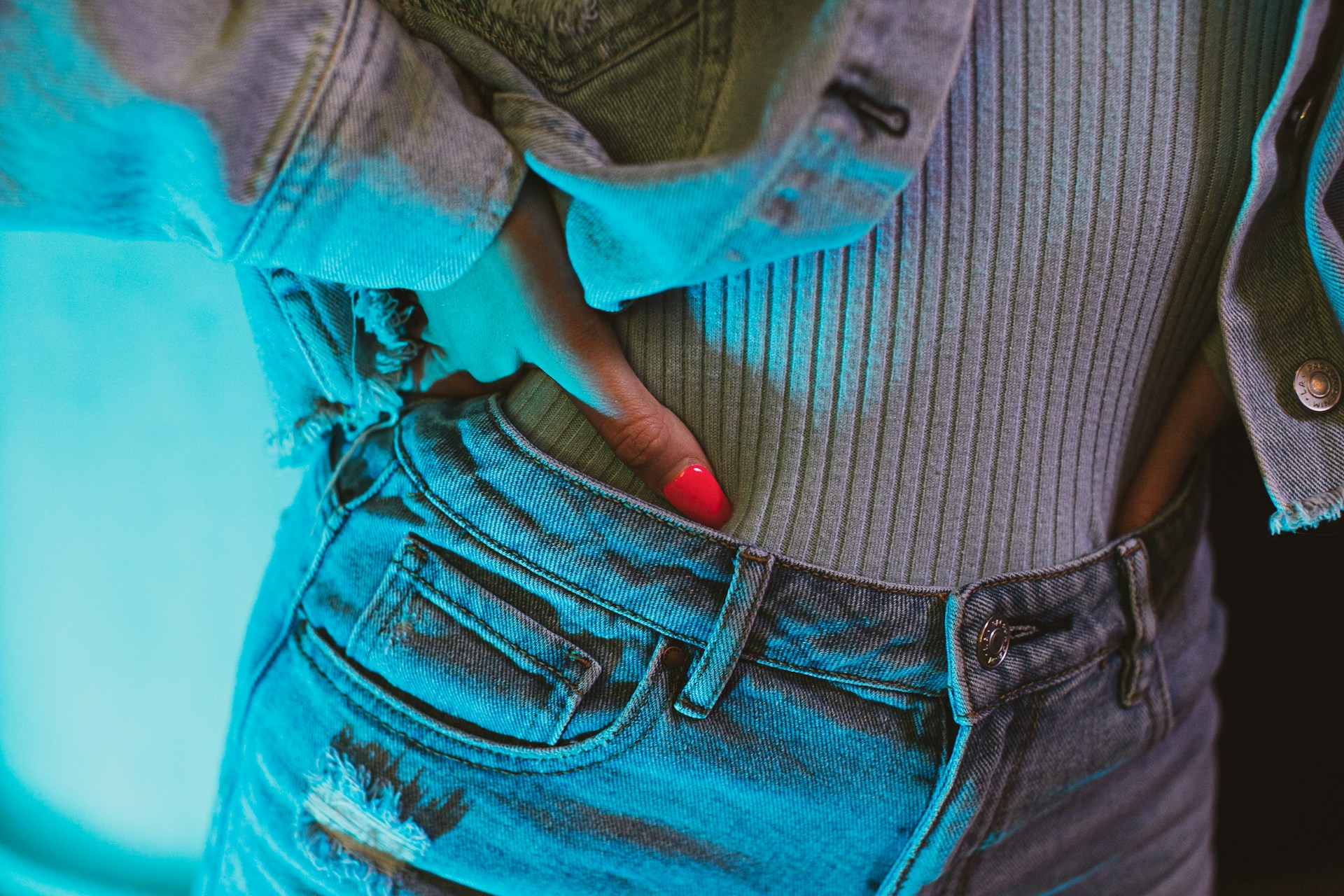
Yes, really. If you’re wearing skinny jeans, shapewear, a tight belt, or anything else squeezing your middle — take it off. Change into sweatpants or a loose dress. Even unbuttoning your jeans helps.
We covered this in detail in our other bloating article: tight clothing physically restricts your digestive tract, slows down digestion, and traps gas. Doctors call it “tight pants syndrome.” The fix is the easiest one on this list — just stop squeezing yourself.
8. Drink warm water (not cold)
If you’re going to drink water to help with bloating, make it warm. Cold water can actually slow digestion and tighten the stomach muscles, while warm water helps relax them and encourages your gut to keep moving. Warm water with a slice of lemon is even better — the slight acidity can help stimulate digestion.
Just don’t overdo it. Chugging a giant glass of water when you’re already bloated will make you feel worse, not better. Sip slowly. A cup over 10–15 minutes is plenty.
9. Try a heating pad
This is the same trick you’d use for menstrual cramps, and it works for the same reason: heat relaxes the muscles in your abdomen, including the smooth muscles of your gut. That makes it easier for trapped gas to move and for your digestive system to keep doing its job.
Put a heating pad or hot water bottle on your stomach for 10–15 minutes. Lie down. Breathe deeply. Let it work. This combo (heat + lying down + deep breathing) is a surprisingly powerful one.
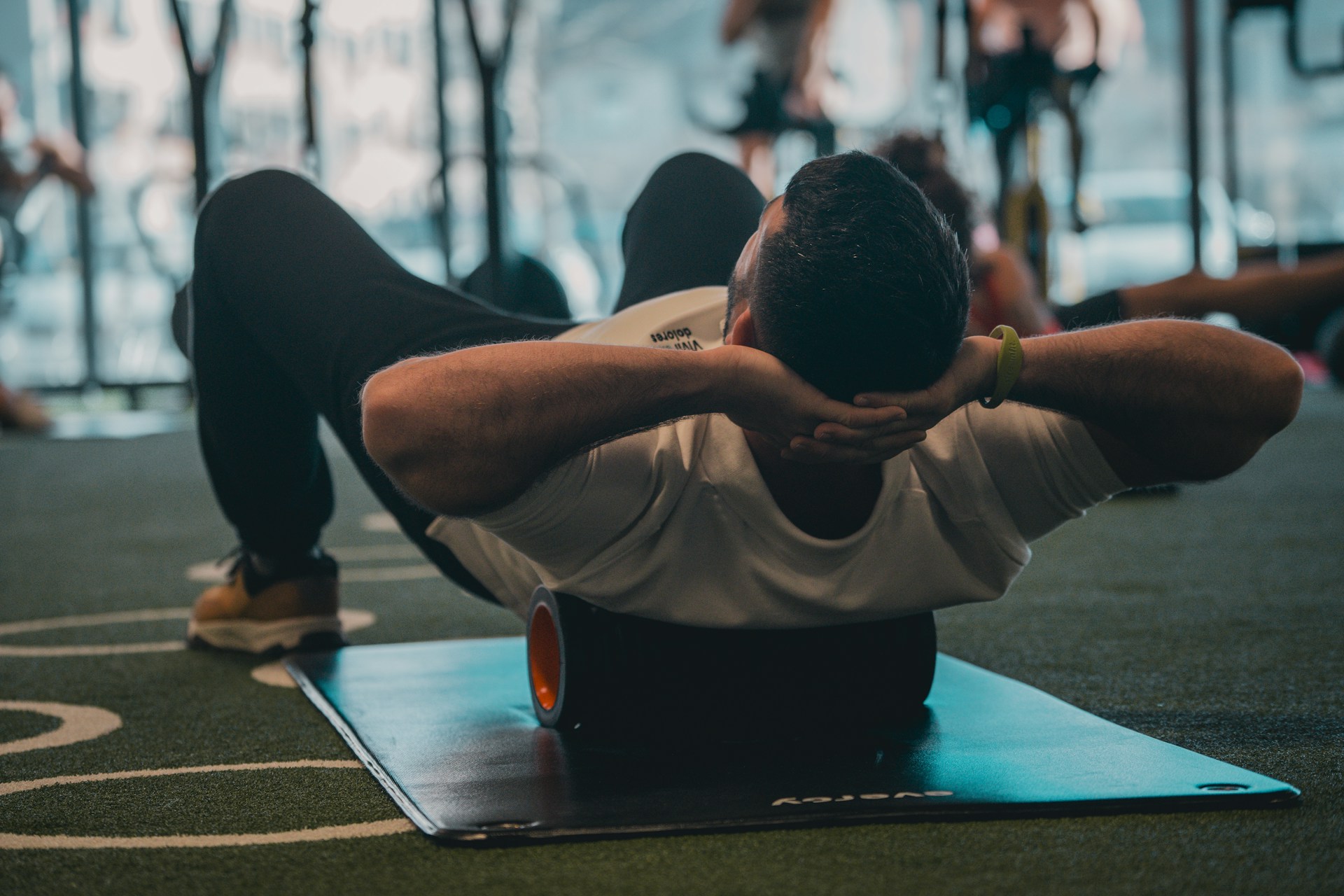
10. Try foam rolling
This one is a hidden gem. Most people think of foam rollers as something you use after a workout to loosen up tight muscles — but they’re also genuinely useful for bloating relief. Physical therapists and massage therapists have been using this trick for years.
Foam rolling works for bloating in two ways:
- It physically helps move trapped gas. Rolling along your lower back, hips, and the sides of your abdomen puts pressure on your digestive tract from the outside, encouraging gas to keep moving through your gut.
- It stimulates your lymphatic system. Like we mentioned in our other article, your lymphatic system has no pump — it relies on movement and pressure to drain fluid from your tissues. Foam rolling provides exactly that kind of mechanical stimulation, which can help reduce the puffy, fluid-retention type of bloating.
Here’s how to do it safely:
- Lower back rolls: Lie on your back with the foam roller under your lower back. Gently roll up and down for 1–2 minutes. This activates the area around your colon and lower digestive tract.
- Side rolls: Lie on your side with the roller positioned along your hip and the side of your abdomen. Slowly roll up and down. Switch sides. About 1 minute per side.
- Hip flexor stretch with the roller: Place the roller under your hips while lying face-up, and let your body relax over it. This passive stretch opens up the front of your hips and abdomen.
Use a soft or medium-density foam roller, not the rock-hard “trigger point” kind. You’re going for gentle pressure, not deep tissue work. Skip foam rolling directly on your stomach — that’s too much direct pressure on your organs, and it can backfire.
If you don’t own a foam roller, a tennis ball or a rolled-up towel can work in a pinch for the lower back roll. Just be gentle.
How NOT to get rid of bloating (avoid these mistakes)
Just as important as what helps is what makes things worse. Avoid these in the moment:
Don’t lie completely flat right after eating. If you’re bloated from a meal, lying flat can push stomach acid up into your esophagus and slow gastric emptying. If you need to lie down, prop yourself up at an angle with pillows.
Don’t drink carbonated water “to settle your stomach.” This is a myth. Sparkling water, soda, and seltzer all contain dissolved CO2 — which is literally gas. Drinking gas when you already have too much gas is not a winning strategy.
Don’t chew gum. Chewing gum makes you swallow air, which goes straight into your already-bloated gut. Same goes for sucking on hard candy.
Don’t try to “starve it out” by skipping your next meal. Skipping meals doesn’t help bloating — and if you’re prone to it, it can actually make the next meal worse because you’ll likely eat faster and bigger when you finally do eat.
Don’t try a “detox tea” or laxative as a quick fix. These products are mostly marketing. Senna-based laxatives can work in the short term, but they cause cramping, dehydration, and dependency if used regularly. They don’t actually reduce bloating — they just empty your bowels temporarily.
Don’t go for a hard workout. A walk is great. A HIIT class or heavy lifting session is not. Intense exercise on a bloated stomach can make you feel worse, cause cramping, or even trigger reflux. Save the workout for tomorrow.
How long should bloating last?
Most occasional bloating goes away on its own within a few hours, or by the next morning at the latest. If you eat a heavy or trigger-food meal at dinner, you might wake up feeling fine.
If your bloating is sticking around for days at a time, getting worse, or coming back over and over, that’s worth paying attention to. Same goes for bloating that comes with other symptoms like:
- Severe pain that doesn’t go away
- Blood in your stool
- Unexplained weight loss
- Fever or vomiting
- Big changes in your bathroom habits
None of these things are common, but they’re worth a conversation with your doctor if they show up. Persistent bloating can occasionally be a sign of conditions like IBS, celiac disease, SIBO, or in rare cases, something more serious.
The takeaway
If you’ve been wondering how to get rid of bloating without spending money on supplements or “detox” products, the answer is almost always the same: the simplest things work best. Walk, stretch, breathe, and stop squeezing yourself into tight clothes. A cup of peppermint or ginger tea is a nice bonus. A heating pad and 10 minutes of slow breathing on the floor will get you further than any expensive supplement. And if you have a foam roller sitting in the corner of your bedroom collecting dust — pull it out. It’s not just for sore muscles.
Bloating is your body’s way of telling you something is off — usually that you ate too fast, ate too much of something hard to digest, or sat still for too long after a meal. The fix is rarely a pill. It’s almost always movement, patience, and a little bit of attention to what your body is asking for.
And if you want to stop ending up here in the first place, go read our article on what actually causes bloating — once you know your triggers, the fix becomes a lot easier.
Sources
- UCLA Health. 6 things you can do to prevent bloating. April 2024. uclahealth.org
- Harvard Health Publishing. How to get rid of bloating: Tips for relief. Harvard Medical School, 2024. health.harvard.edu
- Mayo Clinic. Belching, gas and bloating: Tips for reducing them. 2024. mayoclinic.org
- Cleveland Clinic. 13 Ways To Get Rid of Bloating. 2024. health.clevelandclinic.org
- Northwestern Medicine. How to Beat the Bloat. nm.org
- Johns Hopkins Medicine. Bloating: Causes and Prevention Tips. hopkinsmedicine.org
- Khanna R, MacDonald JK, Levesque BG. Peppermint Oil for the Treatment of Irritable Bowel Syndrome: A Systematic Review and Meta-analysis. Journal of Clinical Gastroenterology, 2014. pubmed.ncbi.nlm.nih.gov
- Hu ML, Rayner CK, Wu KL, et al. Effect of ginger on gastric motility and symptoms of functional dyspepsia. World Journal of Gastroenterology, 2011. ncbi.nlm.nih.gov
- Hosseini-Asl MK, Taherifard E, Mousavi MR. The effect of a short-term physical activity after meals on gastrointestinal symptoms. Gastroenterology and Hepatology From Bed to Bench, 2021.
- Lacy BE, Cangemi DJ. A Pragmatic Approach to the Evaluation and Treatment of Abdominal Bloating. American Journal of Gastroenterology, 2022. pubmed.ncbi.nlm.nih.gov
- Serra J, et al. Management of bloating. Neurogastroenterology & Motility, 2024.
This article is for informational purposes only and isn’t a substitute for professional medical advice. If you have persistent or severe bloating, a history of digestive disorders, or any other health condition affecting your gut, please talk to a qualified healthcare provider before making big changes to your diet or lifestyle.