
Gut health for women has become one of the most talked-about topics in medicine — and for once, the hype is actually justified. Over the last 15 years, researchers have discovered that the community of bacteria living in your digestive tract doesn’t just help you digest food. It influences your mood, your weight, your immune system, your skin, your hormones, and even how clearly you think.
That’s not marketing language. That’s the result of thousands of peer-reviewed studies, including some of the most significant medical research of the last two decades.
Most people have a vague sense that gut health “matters” but no real understanding of what it actually is, what damages it, or what genuinely helps. This article covers all of it — in plain language, with real science behind every claim.
What is the gut microbiome — and why should you care?
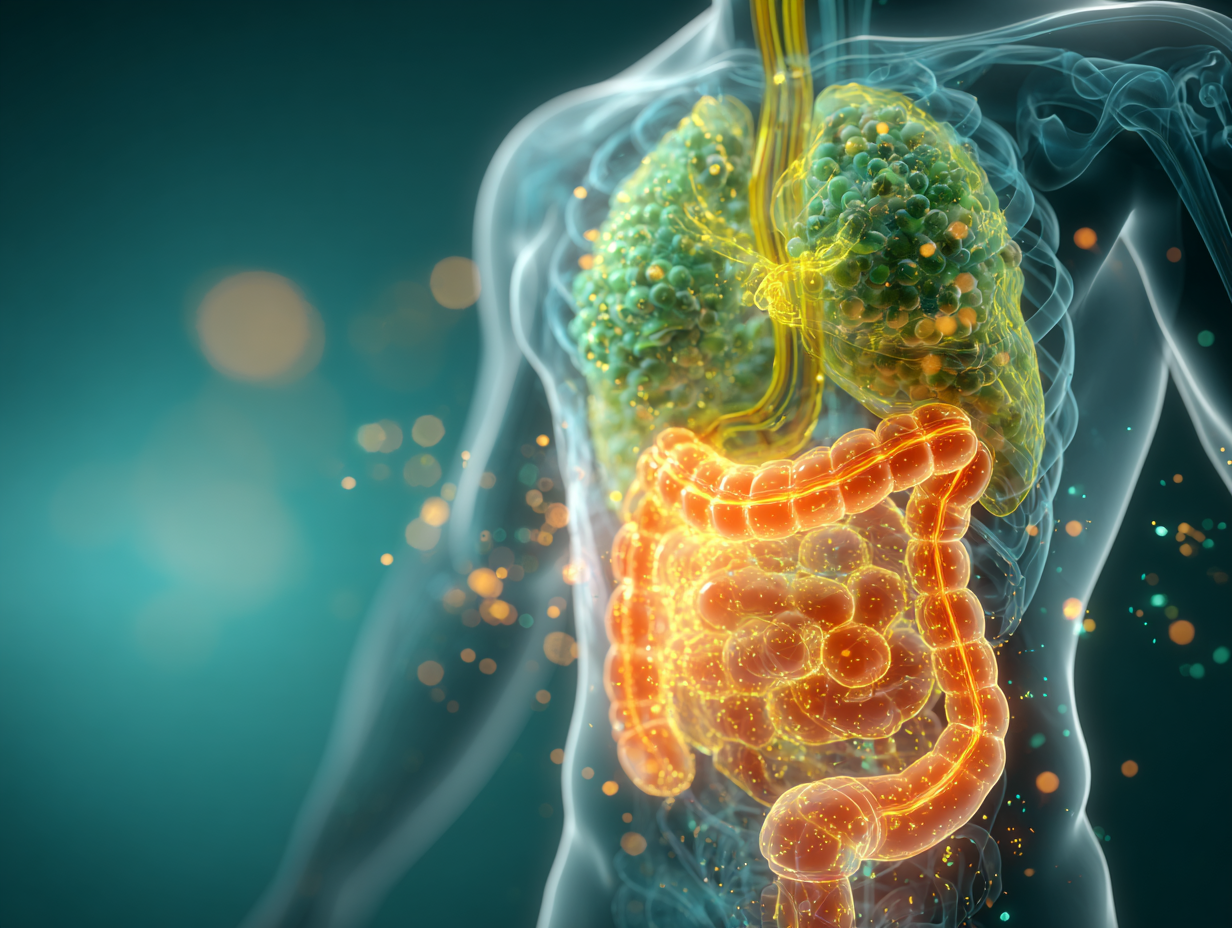
Your gut is home to roughly 38 trillion microorganisms — bacteria, fungi, viruses, and other tiny organisms that live primarily in your large intestine. Together they’re called the gut microbiome, and their combined genetic material contains about 150 times more genes than the entire human genome.
To put that in perspective: you are, in a very literal sense, more microbial than human. About half the cells in your body by count are microorganisms. Most of them live in your gut.
This isn’t a problem — it’s a feature. These microorganisms co-evolved with humans over hundreds of thousands of years. They help digest food you can’t break down yourself. They produce vitamins your body can’t make. They train your immune system to tell the difference between threats and harmless substances. They communicate directly with your brain. In a healthy gut, different species exist in a rough balance — a diverse community where no single type overwhelms the others.
When that balance breaks down — when certain harmful bacteria overgrow, or when diversity collapses — it’s called dysbiosis. And dysbiosis doesn’t just cause digestive problems. Research has now linked it to conditions ranging from depression and anxiety to obesity, autoimmune disease, eczema, and type 2 diabetes.
Your gut microbiome is unique to you — as individual as a fingerprint. It was first seeded at birth (babies born vaginally acquire bacteria from the birth canal; C-section babies get a different starting profile), shaped by breastfeeding, childhood diet, antibiotic exposure, environment, and every meal you’ve eaten since. It’s not fixed — it changes continuously based on what you eat, how you live, and what you’re exposed to. Which means you have genuine influence over it.
Your gut and your mood: the connection is more direct than you think
Here’s something most people don’t know: about 90–95% of your body’s serotonin is produced in the gut, not the brain. Serotonin is one of the primary neurotransmitters involved in mood, emotional regulation, and the feeling of calm and contentment. The fact that most of it is made in your digestive tract tells you something important about how central gut health is to how you feel mentally.
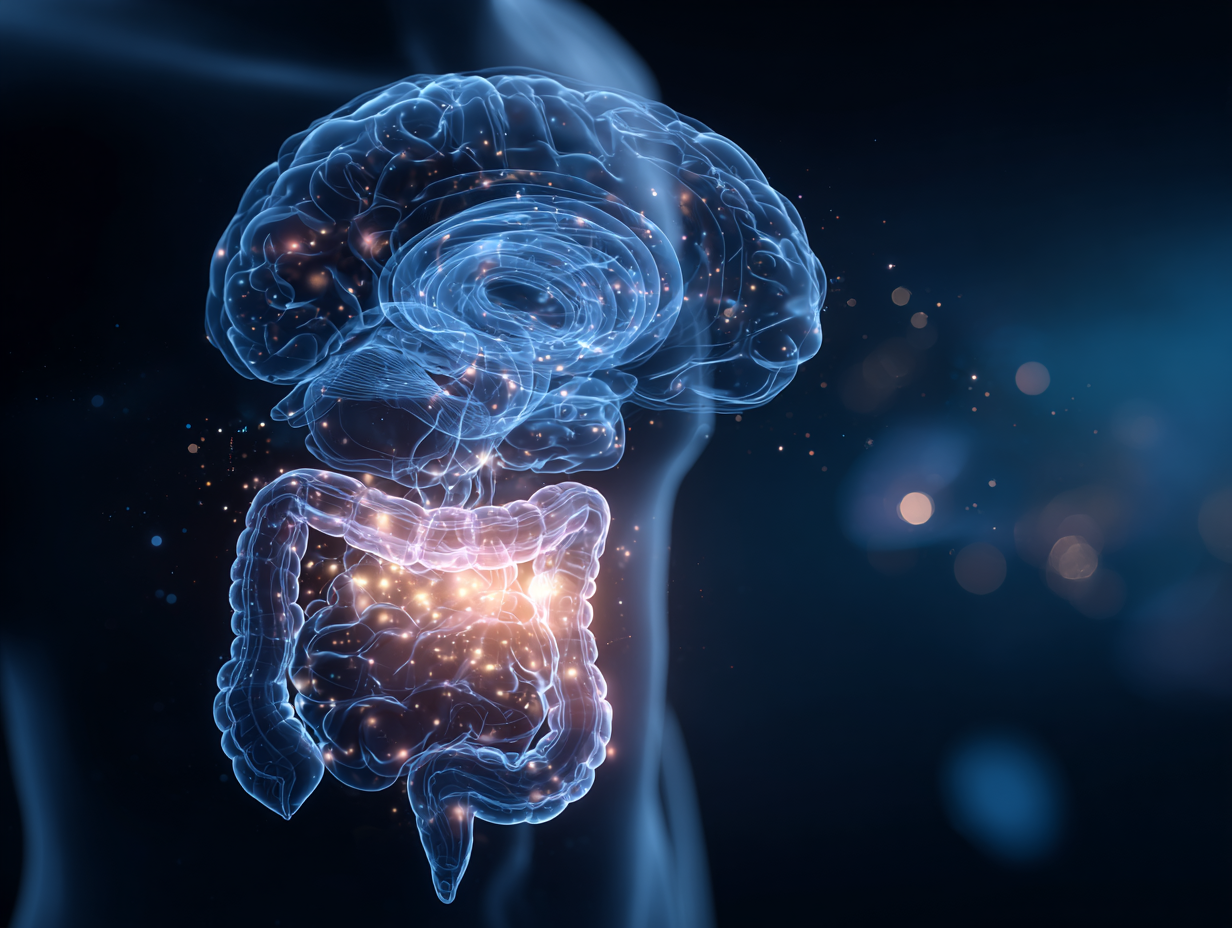
The gut and brain are connected by a dedicated two-way communication highway called the gut-brain axis — a network of nerves (led by the vagus nerve, the longest nerve in the body), hormones, and immune signals that runs directly between your intestines and your brain. They’re in constant conversation. Your gut sends signals to your brain; your brain sends signals back.
This is why anxiety and stress cause stomach symptoms — butterflies, nausea, urgent bathroom trips — and why gut problems cause psychological symptoms. It runs both ways. A 2019 large-scale study published in Nature Microbiology analyzed the gut microbiomes of over 1,000 people and found that two specific bacterial genera — Coprococcus and Dialister — were consistently depleted in people with depression, even after controlling for antidepressant use. The people with the most diverse microbiomes had significantly better mental health outcomes.
Your gut bacteria also produce or influence GABA (a calming neurotransmitter), dopamine (motivation and reward), and norepinephrine (alertness). When the bacteria producing these compounds are depleted — through poor diet, antibiotics, or chronic stress — you can feel it. Increased anxiety, low mood, brain fog, poor sleep. These aren’t just “in your head.” They’re partly in your gut.
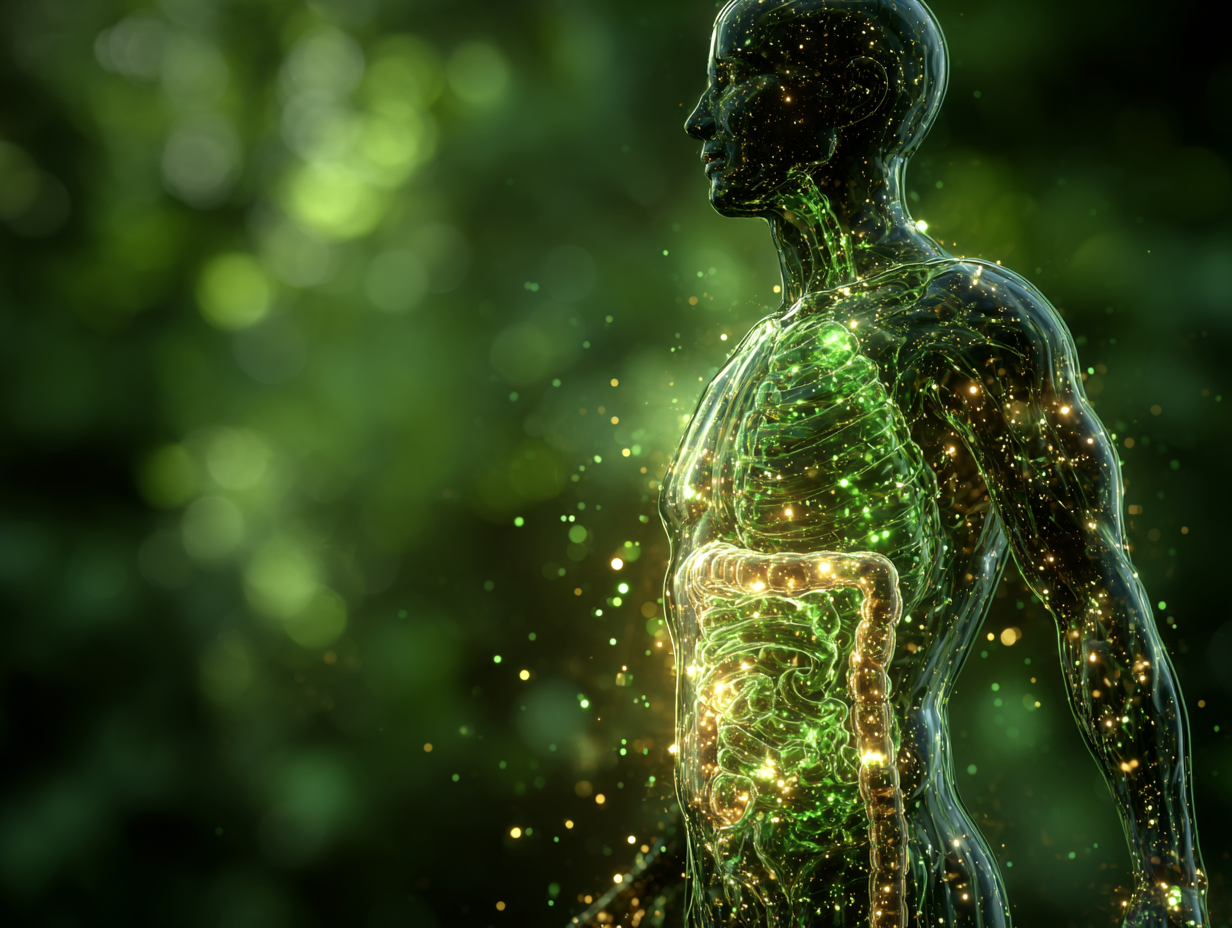
Gut health and your immune system: 70% of it lives in your gut
If you get sick often, recover slowly, or deal with frequent infections, your gut health is one of the first places to look. Approximately 70% of your immune system is located in and around your digestive tract — a network of immune tissue called GALT (gut-associated lymphoid tissue) that lines your intestines and constantly interacts with the bacteria living there.
Your gut bacteria train your immune cells to recognize threats. They help calibrate the inflammatory response — dialing it up when there’s a genuine infection, dialing it down when there isn’t. A healthy, diverse microbiome keeps this system well-regulated. A depleted or imbalanced one leads to two problems:
Under-response: you get sick more easily and recover more slowly because your immune system hasn’t been properly trained to mount an effective response.
Over-response: chronic low-grade inflammation. This is arguably the more dangerous of the two. When the gut barrier is compromised — a condition sometimes called “leaky gut” — bacterial fragments and food particles pass through the intestinal wall into the bloodstream. Your immune system treats these as invaders and mounts a constant, low-level inflammatory response. Over time, this chronic inflammation is linked to conditions including rheumatoid arthritis, inflammatory bowel disease, type 2 diabetes, heart disease, and certain cancers.
A 2012 study in the journal Science demonstrated that germ-free mice (raised with no gut bacteria at all) had severely underdeveloped immune systems and were far more susceptible to infection and autoimmune conditions than mice with normal microbiomes. The gut bacteria weren’t just passengers — they were actively building and maintaining the immune system.
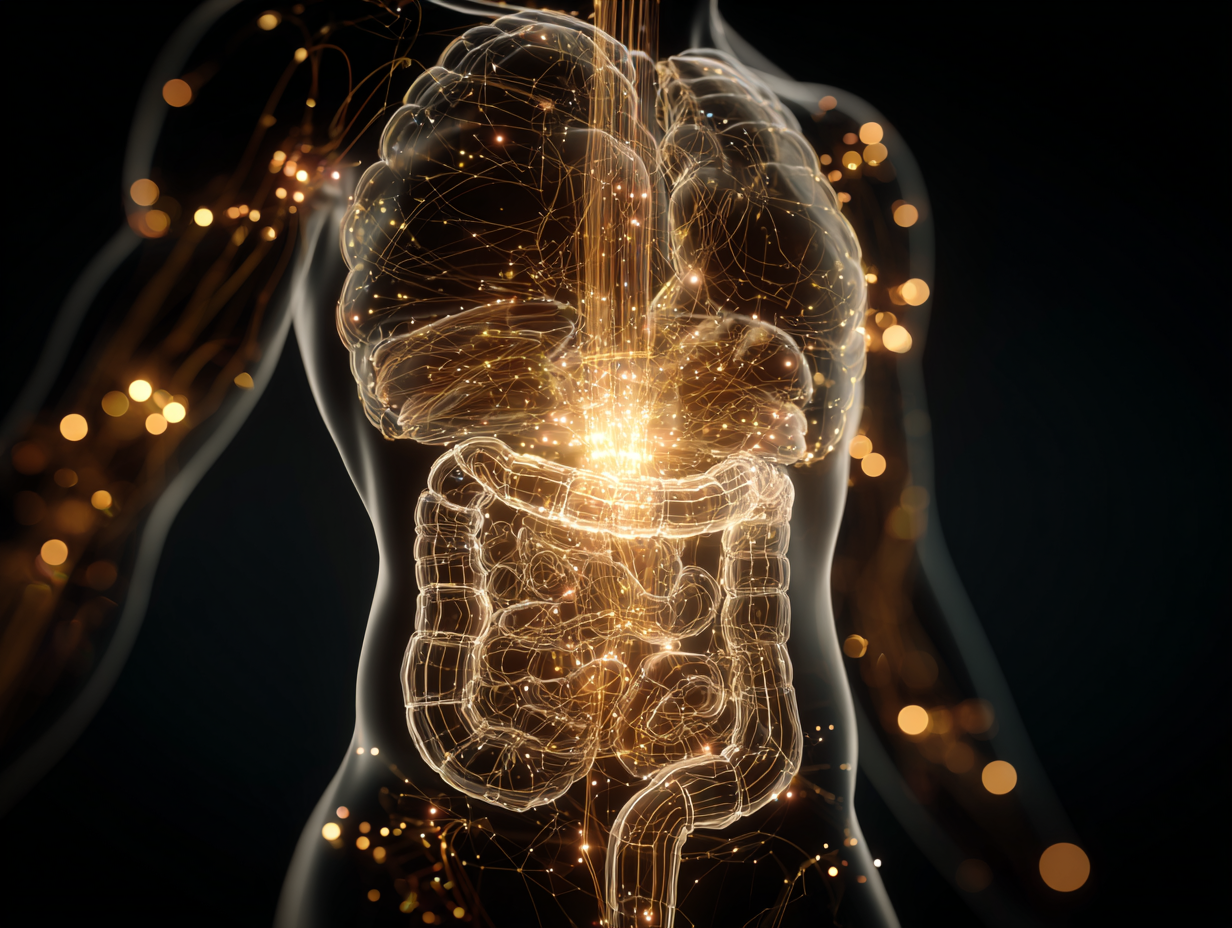
Gut health and weight: why your microbiome affects how your body stores fat
Two people can eat the exact same meal and extract different numbers of calories from it. This sounds impossible, but it’s been documented — and your gut bacteria are a significant reason why.
Different bacterial species have different efficiencies at fermenting carbohydrates and extracting energy. Some gut profiles pull more calories from food; others extract less. A 2006 landmark study in Nature by Dr. Jeffrey Gordon’s team at Washington University transplanted gut bacteria from obese mice into germ-free mice — and the previously lean mice gained significantly more fat than mice who received bacteria from lean donors, despite eating the same diet. The microbiome alone was enough to influence fat storage.
Your gut bacteria also regulate two key appetite hormones: leptin (which tells your brain you’re full) and ghrelin (which tells your brain you’re hungry). An imbalanced microbiome can disrupt these signals — making you feel hungrier than you actually are, or making fullness signals arrive late or not at all.
Short-chain fatty acids (SCFAs) are another piece of this. Certain gut bacteria produce SCFAs — primarily butyrate, propionate, and acetate — when they ferment dietary fiber. SCFAs have been shown to improve insulin sensitivity, reduce inflammation, suppress appetite, and directly inhibit fat storage. The bacteria that produce them thrive on fiber. Diets low in fiber starve these bacteria, reduce SCFA production, and tip the metabolic balance toward fat storage and insulin resistance.
This is one of the main reasons why fiber intake — not just protein, not just calories — matters so much for body composition. It’s not just about fullness. It’s about feeding the bacteria that regulate your metabolism.
If you’ve been eating in a calorie deficit and not seeing the results you expect, gut health is worth considering. We covered how calorie needs vary significantly between individuals in our article on calories for women at 30 — and microbiome differences are part of why two people on identical diets can have different outcomes.

Gut health and bloating: the direct connection
Bloating is probably the most immediate and visible sign of gut imbalance. When your microbiome is disrupted — wrong bacteria in the wrong proportions, or too little diversity — fermentation in the large intestine becomes chaotic. Gas production increases. The intestinal wall becomes more sensitive to pressure. What wouldn’t bother someone with a healthy microbiome causes real discomfort in someone whose gut is out of balance.
This is why bloating after the same foods can vary so much between people — and even vary day to day in the same person. It’s not just about what you ate. It’s about what bacteria are present to ferment it, and how reactive your gut lining currently is.
We’ve covered what causes bloating and how to get rid of it in detail — if you’re dealing with it regularly, our articles on what causes bloating and how to get rid of bloating fast are worth reading alongside this one. The gut microbiome is the underlying layer beneath most of those causes.
Why gut health hits women differently
Women and men have measurably different gut microbiomes — and the gap widens after puberty. This isn’t a small difference. Hormonal fluctuations throughout the menstrual cycle, pregnancy, perimenopause, and menopause all directly influence the composition of the gut microbiome, and in return, the microbiome influences hormone metabolism.
A specific subset of gut bacteria called the estrobolome — bacteria that produce an enzyme called beta-glucuronidase — directly regulate estrogen levels in the body. These bacteria process estrogen that has been sent to the gut for elimination, deciding how much gets reabsorbed into circulation and how much gets excreted. An imbalanced estrobolome can lead to estrogen being reabsorbed in excess — contributing to conditions like PMS, endometriosis, estrogen-dominant symptoms, and potentially increased risk of estrogen-sensitive cancers.
Women are also significantly more likely than men to develop IBS (Irritable Bowel Syndrome) — roughly twice as likely, according to research published in the American Journal of Gastroenterology. IBS affects up to 15% of women globally and is strongly linked to gut microbiome imbalance, gut-brain axis dysregulation, and visceral hypersensitivity.
During perimenopause and menopause, declining estrogen levels alter the gut microbiome in ways that affect bone density, cardiovascular health, weight distribution, mood, and sleep. A 2021 study in Cell Host & Microbe found that postmenopausal women who received microbiome-supporting interventions had better outcomes on several metabolic and cardiovascular markers than control groups — suggesting the gut is a key lever in managing menopause-related health changes.
What damages your gut microbiome
Before getting into what helps, it’s worth being honest about what hurts — because several of the biggest gut-damaging factors are completely normal parts of modern life.
Antibiotics are the most dramatic. A single course of antibiotics can reduce gut bacterial diversity by up to 30%, and some species may not recover for months or years. This isn’t a reason to avoid antibiotics when you need them — it’s a reason to take them only when necessary, never “just in case,” and to actively support your microbiome afterward.
Ultra-processed food is probably the most widespread gut disruptor. These foods — packaged snacks, fast food, ready meals, anything with a long list of additives — are typically low in fiber (which gut bacteria need to survive) and high in emulsifiers, artificial sweeteners, and preservatives. A 2021 study in Cell found that a diet high in ultra-processed foods rapidly reduced gut bacterial diversity within just two weeks. Emulsifiers in particular — like carboxymethylcellulose and polysorbate 80, found in many processed foods — have been shown to disrupt the mucus layer lining the gut, bringing bacteria into closer contact with the intestinal wall and triggering inflammation.
Chronic stress suppresses certain beneficial bacterial populations and alters gut motility — how quickly food moves through your digestive system. Stress hormones like cortisol directly influence the gut environment. This is another reason why stress isn’t just a mental health problem; it has real downstream effects on your physical health through the gut.
Poor sleep disrupts the gut microbiome even when diet stays the same. A 2019 study found that just two nights of partial sleep deprivation measurably altered gut bacterial composition. The gut, like most of the body, runs on a circadian rhythm — irregular sleep patterns throw off this rhythm and destabilize the microbiome.
A low-fiber diet is perhaps the most chronic and underappreciated gut disruptor. Fiber is the primary food source for your gut bacteria. Without it, bacterial diversity collapses — certain species quite literally starve and disappear. The average person in a Western country eats roughly 15 g of fiber per day. The recommended minimum is 25–30 g. The populations with the healthiest and most diverse microbiomes studied — including the Hadza hunter-gatherers of Tanzania — eat 100+ g of fiber daily from a wide variety of plant sources.
What actually improves gut health — what the science supports
This is where a lot of gut health content goes wrong — by listing supplements and products before the basics. The research is clear that the most powerful interventions are dietary and lifestyle-based, and most of them cost nothing.
Eat more plants — and more variety. The single most consistent finding in microbiome research is that diversity of plant foods drives diversity of gut bacteria. A major 2018 study called the American Gut Project, analyzing over 10,000 people, found that people who ate 30 or more different plant foods per week had significantly more diverse microbiomes than people eating 10 or fewer. “Plants” includes vegetables, fruits, whole grains, legumes, nuts, seeds, and herbs — every different type counts separately. A handful of walnuts counts. A sprinkle of cumin counts. The variety matters as much as the quantity.
Eat fermented foods regularly. Fermented foods — yogurt, kefir, sauerkraut, kimchi, miso, tempeh, kombucha — contain live bacteria that add to the microbial diversity of your gut. A rigorous 2021 randomized controlled trial published in Cell by researchers at Stanford University directly compared a high-fiber diet vs. a high-fermented-food diet over 10 weeks. The fermented food group showed significantly greater increases in microbiome diversity and reductions in inflammatory markers — even outperforming the high-fiber group on diversity measures. Notably, the benefits required consistency: the improvements tracked with how much fermented food people actually ate each day.
Prioritize fiber — especially prebiotic fiber. Not all fiber is equal for gut health. Prebiotic fiber — found in garlic, onions, leeks, asparagus, bananas, oats, and Jerusalem artichokes — specifically feeds beneficial bacteria like Lactobacillus and Bifidobacterium. These bacteria produce butyrate, the SCFA that maintains the gut lining, reduces inflammation, and supports metabolic health. Aim for 25–30 g of total fiber daily, including a variety of prebiotic sources.
Manage stress consistently. Because of the gut-brain axis, stress management isn’t separate from gut health — it’s part of it. Chronic stress measurably depletes beneficial bacteria. Regular exercise, adequate sleep, and genuine recovery time all reduce the cortisol load on your gut. This isn’t soft advice; the mechanism is well-documented in research.
Sleep 7–9 hours with consistent timing. Your gut bacteria run on a circadian rhythm synchronized with your sleep-wake cycle. Going to bed and waking at consistent times — even on weekends — supports a stable gut environment. Irregular sleep disrupts the microbiome even when diet is unchanged.
Be selective with antibiotics. This doesn’t mean refusing antibiotics when you genuinely need them. It means not taking them for viral infections (antibiotics don’t work on viruses), not taking leftover antibiotics “as a precaution,” and actively supporting your gut with fermented foods and diverse fiber in the weeks after a necessary course.
What about probiotics? The honest answer
Probiotic supplements are a multi-billion-dollar industry. The honest answer from the research is: it depends enormously on the strain, the dose, and what you’re trying to treat.
Probiotics are not a generic “gut health booster.” Different bacterial strains have completely different effects. Lactobacillus rhamnosus GG has strong evidence for reducing antibiotic-associated diarrhea and certain types of IBS. Bifidobacterium longum has evidence for reducing anxiety symptoms. Saccharomyces boulardii (technically a yeast, not a bacterium) has solid evidence for diarrhea prevention. A generic “probiotic blend” sold at a pharmacy may contain none of these specific strains in effective doses.
A 2018 landmark study from the Weizmann Institute of Science found that after antibiotics, people who took a standard probiotic supplement actually had slower microbiome recovery than people who did nothing — because the supplemented bacteria colonized the gut and blocked the return of the person’s own native bacteria. The gut is a complex ecosystem, and adding large amounts of a few specific strains doesn’t automatically improve it.
The bottom line: probiotic supplements can be genuinely useful for specific, evidence-backed applications — antibiotic recovery, IBS, certain immune conditions. For general gut health, whole fermented foods have more consistent evidence than supplements, and they come with the fiber and nutrients that support the broader ecosystem rather than just adding a few strains.
Signs your gut health might need attention
Gut imbalance doesn’t always show up as digestive problems. Some of the most common signs are surprisingly systemic:
- Frequent bloating, gas, or irregular bowel movements — too loose, too hard, or unpredictable
- Persistent low mood, anxiety, or brain fog that doesn’t have an obvious cause
- Getting sick frequently or taking longer than normal to recover
- Skin issues — particularly eczema, acne, or rosacea — that don’t respond to topical treatment
- Food sensitivities that seem to multiply over time
- Constant fatigue even with adequate sleep
- Strong sugar or carbohydrate cravings — certain bacterial populations actively drive these cravings to feed themselves
- Unexplained weight changes despite consistent eating habits
Two or more of these together is worth taking seriously — not by immediately buying supplements, but by honestly assessing fiber intake, fermented food consumption, sleep quality, and stress levels. These are the levers with the most evidence behind them.
The takeaway
Your gut is not just a digestive organ. It’s an immune organ, a hormonal organ, a mood regulator, and a metabolic control center — all running on the health and diversity of the microbial community living inside it.
Gut health for women matters especially because of how directly the microbiome interacts with female hormones, cycle health, and the hormonal transitions of perimenopause and beyond. It’s one of the most upstream variables in overall health — fix the gut, and a surprising number of other things start to improve alongside it.
The good news is that the microbiome is responsive. It starts changing within days of dietary shifts. You don’t need an expensive protocol. You need more plant variety, more fermented food, better sleep, less chronic stress, and an honest look at how many ultra-processed foods are in your regular diet. That’s it. The research supports these interventions more strongly than almost anything else in this space.
If weight loss is also a goal alongside improving gut health, our 5 steps to lose weight article covers how hydration, stress, sleep, and diet work together — with the gut microbiome as the underlying system connecting all of them.
Sources
- Sender R, et al. Revised Estimates for the Number of Human and Bacteria Cells in the Body. Cell, 2016. pubmed.ncbi.nlm.nih.gov
- Valles-Colomer M, et al. The neuroactive potential of the human gut microbiota in quality of life and depression. Nature Microbiology, 2019. pubmed.ncbi.nlm.nih.gov
- Yano JM, et al. Indigenous bacteria from the gut microbiota regulate host serotonin biosynthesis. Cell, 2015. pubmed.ncbi.nlm.nih.gov
- Turnbaugh PJ, et al. An obesity-associated gut microbiome with increased capacity for energy harvest. Nature, 2006. pubmed.ncbi.nlm.nih.gov
- Sonnenburg JL, Bäckhed F. Diet–microbiota interactions as moderators of human metabolism. Nature, 2016. pubmed.ncbi.nlm.nih.gov
- Wastyk HC, et al. Gut-microbiota-targeted diets modulate human immune status. Cell, 2021. pubmed.ncbi.nlm.nih.gov
- McDonald D, et al. American Gut: an Open Platform for Citizen Science Microbiome Research. mSystems, 2018. pubmed.ncbi.nlm.nih.gov
- Zmora N, et al. Personalized gut mucosal colonization resistance to empiric probiotics is associated with unique host and microbiome features. Cell, 2018. pubmed.ncbi.nlm.nih.gov
- Kwa M, et al. The Intestinal Microbiome and Estrogen Receptor–Positive Female Breast Cancer. JNCI, 2016. pubmed.ncbi.nlm.nih.gov
- Mohr AE, et al. The athletic gut microbiota. Journal of the International Society of Sports Nutrition, 2020. pubmed.ncbi.nlm.nih.gov
- Chassaing B, et al. Dietary emulsifiers impact the mouse gut microbiota promoting colitis and metabolic syndrome. Nature, 2015. pubmed.ncbi.nlm.nih.gov
- Karl JP, et al. Effects of psychological, environmental and physical stressors on the gut microbiota. Frontiers in Microbiology, 2018. pubmed.ncbi.nlm.nih.gov
- Desai MS, et al. A Dietary Fiber-Deprived Gut Microbiota Degrades the Colonic Mucus Barrier and Enhances Pathogen Susceptibility. Cell, 2016. pubmed.ncbi.nlm.nih.gov
This article is for informational purposes only and is not a substitute for professional medical advice. If you have persistent digestive symptoms, hormonal concerns, or other health issues, please consult a qualified healthcare provider for a proper evaluation.