


Open Instagram for thirty seconds and you’ll see them all: the “fat-burning running plan,” the “ab workout for a flat belly,” the crash diet that promises minus 20 pounds in a month, the detox tea, the machine that vibrates away your cellulite. Someone is always selling you a shortcut.
Here’s the problem: most of them don’t work. And a few of them can actually make things worse. When you look at what the research actually says — from the Mayo Clinic, Harvard, peer-reviewed journals, and the U.S. Preventive Services Task Force — a lot of popular fitness advice falls apart.
Let’s go through six of the biggest ones.

Myth 1: Running is the best way to lose weight
If you want to lose weight, running is one of the most popular go-tos. It burns lots of calories, it’s free, and everyone tells you it works. But for most people who are overweight and out of shape, running is actually one of the worst places to start.
Running is high-impact. Every step sends 2–3 times your body weight through your ankles, knees, hips, and lower back. If you already carry extra weight and have weak stabilizing muscles, bad form, or old injuries, running can cause more damage than benefit — shin splints, knee pain, plantar fasciitis, stress fractures, and back pain are all common.
The alternative is boring but far more effective: walking. A major 2025 study published in JAMA Network Open followed more than 11,000 adults for four years and found that people who walked more than 100 minutes a day had a 23% lower risk of developing chronic back pain. Mayo Clinic specifically recommends walking and swimming over running for people with joint or back issues. And the Harvard Health review of the same study noted that walking faster didn’t really add more benefit — what mattered was the total time on your feet.
If you love running and your body handles it well, great. If you don’t — walk. Every day. It works.

Myth 2: You can burn fat in specific areas (“belly/thigh/arm exercises”)
This is probably the most persistent myth in the entire fitness industry. It’s the foundation of every “10-minute flat belly workout,” every “slim thigh program,” every crunch-based ab routine sold to desperate people.
It doesn’t work. Scientists call it “spot reduction,” and study after study has failed to find it. In one classic experiment, researchers had sedentary adults do seven abdominal exercises, five days a week, for six weeks. The result? No change in belly fat. None. In another study, participants trained only their non-dominant arm three times a week for twelve weeks — overall fat mass went down, but there was no difference between the trained and untrained arm.
The biology is straightforward: when you exercise, your body draws fat from everywhere, not specifically from the muscle you’re working. Where you lose fat first is mostly determined by genetics and hormones — not by which exercise you do.
The honest truth nobody wants to hear: a six-pack is built in the kitchen, not the gym. You can do 1,000 crunches a day and your abs still won’t show if there’s a layer of fat covering them. The only way to reveal them is to lose overall body fat, which means a calorie deficit — eating less than you burn. Crunches strengthen the muscle underneath, but they won’t remove the fat on top.

Myth 3: “Lose 10 pounds in a week” diets really work
Every few years a new “miracle diet” goes viral promising dramatic weight loss in days. The cabbage soup diet. The grapefruit diet. The military diet. The lemon detox. The name changes, the promise is always the same: drop 10 pounds fast.
Here’s what’s actually happening when you see that scale drop: you’re losing water, not fat.
When you drastically cut calories and carbs, your body burns through its glycogen stores — the carbs stored in your muscles and liver. Each gram of glycogen is bound to about 3 grams of water. So when glycogen goes, water goes with it, and the scale drops fast. It feels like magic. It’s actually just dehydration.
Meanwhile, because you’re eating so little, your body thinks you’re starving and does three things:
- Slows your metabolism to conserve energy. Research on participants of the TV show “The Biggest Loser” showed their resting metabolism was still suppressed six years later.
- Burns muscle alongside fat. A very low-calorie diet can cause a 25% loss of lean body mass according to the Obesity Action Coalition — and less muscle means an even slower metabolism going forward.
- Hijacks your hunger hormones so you feel ravenous the moment you stop.
The result? One study of very low-calorie diets found that 40% of participants regained more weight than they lost. The CDC and most medical bodies recommend a sustainable target of 1–2 pounds per week, no more. Fast results equal short-lived results. Every time.

Myth 4: Detox teas, chlorophyll drops, and “anti-parasite cleanses”
This is a big industry built on a simple lie: that your body needs help getting rid of “toxins.” It doesn’t. You already own the most sophisticated detox system on the planet — it’s called your liver and kidneys, and they work 24/7 for free.
Johns Hopkins Medicine puts it bluntly: liver cleanses aren’t recommended because they’re not FDA-regulated, lack clinical evidence, and don’t reverse damage. Some “detox” supplements have actually caused liver injury — the opposite of what they claim to do. A 2024 analysis in JAMA found that herbal and dietary supplements (including green tea extract and turmeric) were linked to about 20% of liver damage incidents in a study of 9,685 adults.
Harvard Health reviewed detox diets and found “almost no relevant, high-quality medical evidence demonstrating health benefits.” The Harvard doctor who wrote the review had my favorite line on this topic: “Leave the detoxification to the professionals: your kidneys, liver, and other self-cleaning organs.”
Detox teas “work” because they contain senna, which is a laxative. You’re not losing fat — you’re losing water and stool. The scale drops, you feel lighter, you credit the tea. Meanwhile, regular use can cause dependency, dehydration, and electrolyte imbalances.
As for “anti-parasite cleanses” — if you actually have a parasitic infection, you need a prescription medication from a doctor, not a bottle of herbs from Instagram. If you don’t have one, you’re flushing money down the toilet (literally).
Myth 5: Endosphere, cavitation, and “fat-burning” machines
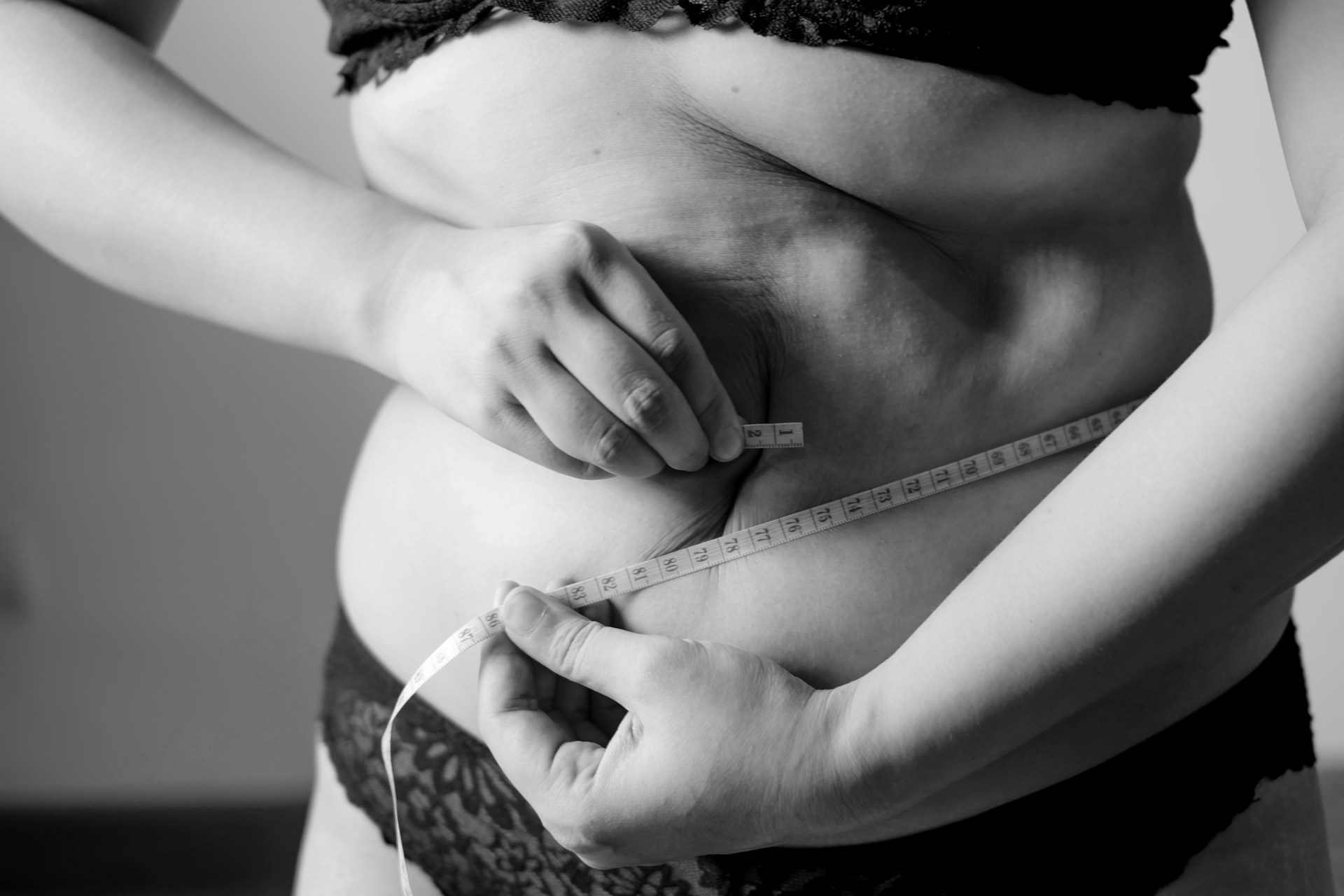
Walk into any modern beauty clinic and you’ll see the menu: ultrasonic cavitation, endosphere therapy, radiofrequency, vacuum rollers, cryolipolysis. The promise is always the same — lose inches, burn fat, reshape your body, no diet or exercise required. Prices run $100–$350 a session, and clinics usually want you to book 6–12 sessions.
Here’s what’s actually true, based on independent peer-reviewed research:
These devices are not weight loss treatments. Even the clinics selling them say this in their fine print. The FDA cleared some cavitation and radiofrequency devices for cosmetic circumference reduction — not fat loss, not weight loss. A 2020 systematic review of 22 studies and 676 participants found an average reduction of about 2 pounds of body weight and 2 inches of waist circumference over several weeks of treatment. That’s measurable, but it’s modest — and it’s the same result you’d get from a month of walking and eating slightly less, for free.
A lot of what you see right after a session is water, not fat. Roller devices like Endosphere work primarily by stimulating lymphatic drainage — they push fluid out of the tissue. That’s why you see “inches lost” immediately after the treatment. The fluid comes back within days unless you change your lifestyle.
Results don’t last without diet and exercise. Every independent study on these devices notes the same thing: the effects require ongoing lifestyle changes to maintain. Without diet and exercise, the fat comes back.
If you enjoy the treatments, can afford them, and use them as a supplement to real lifestyle changes, they’re not a scam — there’s real science behind some of them. But if you think a machine is going to melt away the results of years of inactivity while you keep eating the same way? That’s the lie. The machine is not doing the work.

Myth 6: Low-carb diets are the fastest way to lose weight
Low-carb and keto diets have been marketed as weight-loss magic for two decades. Cut carbs, the story goes, and the fat just melts off.
Here’s what the research actually shows. Low-carb diets aren’t more effective than balanced diets for long-term weight loss. A review in the Indian Journal of Medical Research concluded that “low-carbohydrate ketogenic diets have little metabolic advantages for weight reduction, and it is mostly the negative energy balance which drives weight loss.” In plain English: when low-carb works, it works because you’re eating fewer total calories — not because of any carb magic. Take the calorie deficit out of the equation, and the advantage disappears.
The initial “whoosh” of weight loss on keto? Mostly water. Same mechanism as crash diets — you deplete glycogen, and the water it was holding gets released. That’s why people lose 6–8 pounds in the first week and then hit a wall.
There’s also a health concern: the large-scale PURE study following over 135,000 people found that diets very low in carbohydrates were associated with increased mortality. Cutting carbs below roughly 40% of your calories for long periods doesn’t appear to be healthy.
The honest conclusion: if you enjoy a low-carb diet and it helps you eat fewer calories overall, that’s fine — it’s a valid personal preference. But it’s not more effective than a balanced diet with adequate carbs, it’s harder to sustain, and extreme versions may hurt you long-term.
So what actually works?
After all that, the truth is almost insultingly boring. Nobody can sell it to you in a bottle, which is exactly why nobody on Instagram is pushing it. Here it is:
- Eat slightly less than you burn. That’s it. That’s the whole weight loss equation. Everything else — low-carb, keto, intermittent fasting, Mediterranean — is just different ways of getting there.
- Eat mostly whole foods. Protein, vegetables, fruit, whole grains. If it comes in a package with a cartoon on it, it’s probably not helping.
- Walk every day. Aim for 100+ minutes if you can. Running is optional.
- Lift something heavy twice a week. Muscle protects your metabolism during weight loss and keeps you strong as you age.
- Sleep 7–9 hours. Poor sleep wrecks your hunger hormones and makes everything harder.
- Be patient. Aim for 1–2 pounds per week. Fast loss means water and muscle; slow loss means actual fat.
It’s not sexy. It doesn’t fit in a headline. It won’t give you a “lose 10 pounds in a week” miracle story. But it’s what the research keeps showing, year after year, study after study. And unlike the miracles, it actually lasts.
Sources
- Haddadj R, et al. Volume and Intensity of Walking and Risk of Chronic Low Back Pain. JAMA Network Open, 2025. jamanetwork.com
- Mayo Clinic News Network. Q&A: 8 common myths about back pain. newsnetwork.mayoclinic.org
- University of Sydney. Spot reduction: why targeting weight loss to a specific area is a myth. sydney.edu.au
- Vispute SS, et al. The effect of abdominal exercise on abdominal fat. Journal of Strength and Conditioning Research, 2011. goodrx.com (summary)
- Kordi R, et al. The effect of abdominal training added to regular weight loss on abdominal fat and cellulite. 2015.
- Obesity Action Coalition. The Risks of the Crash Diet. obesityaction.org
- Fothergill E, et al. Persistent metabolic adaptation 6 years after The Biggest Loser competition. Obesity, 2016. pmc.ncbi.nlm.nih.gov
- Kakkar AK, Dahiya N. Pros & cons of some popular extreme weight-loss diets. Indian Journal of Medical Research, 2019. pmc.ncbi.nlm.nih.gov
- Johns Hopkins Medicine. Detoxing Your Liver: Fact Versus Fiction. hopkinsmedicine.org
- Harvard Health Publishing. Harvard Health Ad Watch: What’s being cleansed in a detox cleanse? health.harvard.edu
- Mousavi SR, et al. The effect of ultrasound cavitation in combination with cryolipolysis as a non-invasive selective procedure for abdominal fat reduction. Obesity Medicine, 2020. sciencedirect.com
- Investigating the Metabolic Effects of Ultrasound-Induced Lipolysis. International Journal of Molecular Sciences, 2025. pubmed.ncbi.nlm.nih.gov
- Dehghan M, et al. Associations of fats and carbohydrate intake with cardiovascular disease and mortality in 18 countries (PURE study). The Lancet, 2017.
This article is for informational purposes only and isn’t a substitute for professional medical advice. If you’re making significant changes to your diet or exercise routine — especially if you have a health condition — please talk to a qualified healthcare provider first.